


First Aiders in Warehouse Logistics: More Than Just an Obligation
On lived responsibility in everyday warehouse operations and the value of rapid assistance.
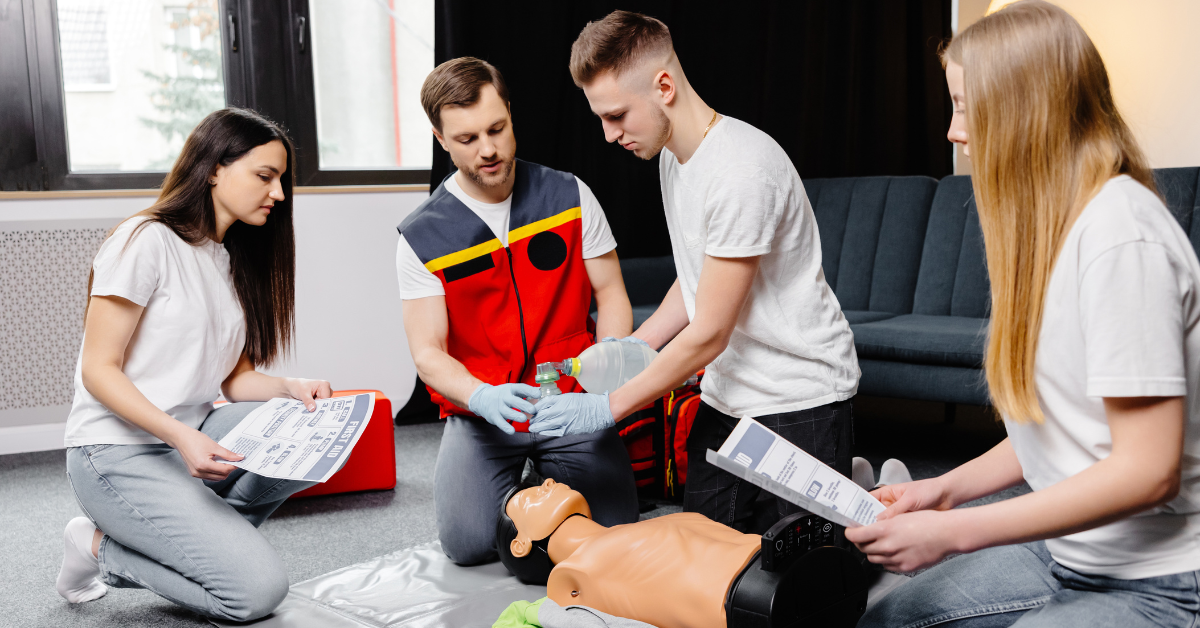
In a nutshell: In an emergency, seconds often count. First aiders bridge the gap until emergency services arrive and can save lives. But they are more than a legal requirement. This article shows how companies benefit from having more first aiders and how to prepare their teams for a real emergency.
Despite all planning and safety precautions, accidents or medical emergencies can never be completely ruled out. This is exactly where first aiders come in: they are the first to respond to an incident, and the critical minutes before emergency services arrive can often mean the difference between life and death.
Legal Requirements – A Brief Summary
The basis for the provision of first aiders in companies is DGUV Vorschrift 1 (Deutsche Gesetzliche Unfallversicherung). Companies are required to designate a minimum number of first aiders and to train them on a regular basis. Under § 26 paragraph 1 of the regulation, at least one first aider is required as soon as two or more employees are working at the company. For larger workforces, the requirements increase:
- In administrative and commercial businesses, at least 5 percent of employees must be trained as first aiders.
- In other businesses, such as logistics, the quota is 10 percent of the workforce.
In accordance with § 26 paragraph 3, first aider certification remains valid for two years only. After that, a refresher course is required to maintain the status of company first aider.
In many companies, however, this obligation is frequently viewed as a necessary bureaucratic hurdle rather than recognized as a genuine advantage. Yet actively promoting first aiders in warehouse logistics not only provides legal compliance, but also delivers real added value for the company and its employees.
Why Having More First Aiders Than Legally Required Makes Sense
- Rapid response saves lives:
Warehouse environments harbour many potential hazards, whether from machinery, vehicles such as forklifts, or heavy loads. Injuries, sudden illness or accidents can occur at any time. First aiders are trained to act quickly and competently in such moments and can save lives before professional emergency services arrive. - Strengthening the sense of security:
The presence of trained first aiders can give employees a sense of security. Knowing that rapid on-site assistance is available in an emergency builds trust and enhances wellbeing in the workplace. - Motivation and sense of responsibility:
Training first aiders not only develops individual competence but also fosters employees' sense of responsibility. Many experience this role as an enriching one and develop a special commitment to the company. - Preventive benefits:
First aiders are often more attuned to potential hazards and contribute to accident prevention through their heightened awareness. This can lead to a lasting improvement in overall warehouse safety.
Practical tip: Introduce low-barrier communication tools for reporting hazards, so that the Facility or HSE (Health, Safety, Environment) department can move straight to implementation. Which communication tools are most beneficial in warehouse logistics companies is described in more detail here.
- Reputational gain for the company:
Companies that actively invest in the training and development of first aiders demonstrate that the health and safety of their employees genuinely matters to them. This not only strengthens employer branding but also the company culture.
Practical Steps: How to Promote First Aid
- Increase the first aider ratio:
Rather than merely meeting the minimum requirement, companies can train additional first aiders. This is particularly advisable in large warehouses or shift operations, where having several trained individuals on site at all times is beneficial. - Regular training:
Refresher courses and practice-oriented training sessions help first aiders keep their knowledge up to date and respond confidently in a real emergency.
Practical tip: A joint training exercise with the local volunteer fire brigade can be a valuable experience for all parties involved — both the internal first aiders and the firefighters — and can improve cooperation in an actual emergency.
- Integration into the safety culture:
First aiders should be actively involved in safety measures and emergency plans. Their expertise can help to further improve processes and workflows.
Practical tip: A group of first aiders can create a video that clearly explains the building evacuation procedure. This video can be ideally integrated into the onboarding process for new employees to convey important safety measures from the very start. Find out more about onboarding here.
- Recognition and motivation:
Companies can acknowledge first aiders for their commitment, for example through internal awards or additional benefits.

Did you find this article helpful?

Pay Transparency in Logistics: What's Coming for Fleet and Warehouse Operations
On the new EU directive, its concrete impact on logistics companies, and why waiting is the most expensive option.

Employee of the Month in Logistics
Why team KPIs and process thinking matter more.

Dungarees, Safety Boots, Forklifts
Why logistics needs to shed its dusty image – an interview with Stefanie Schlichting.

Why feedback conversations with operational employees are indispensable
Why feedback and development conversations are also crucial in operational teams.