


Dungarees, Safety Boots, Forklifts
Why logistics needs to shed its dusty image – an interview with Stefanie Schlichting.

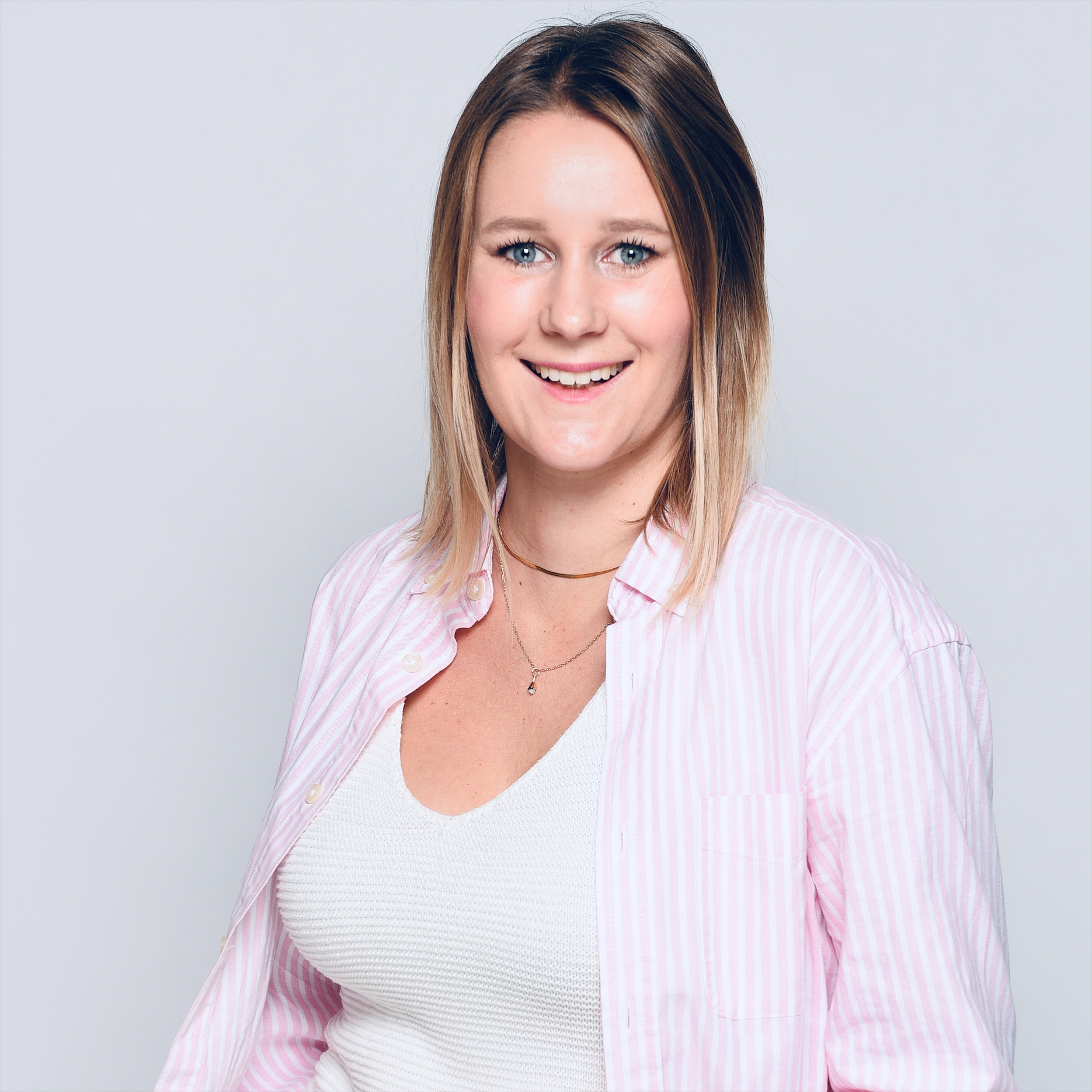
In a nutshell: The logistics industry is caught in an image dilemma: while highly complex algorithms and AI-driven processes define the reality, the stereotype of the "man in dungarees" stubbornly persists. Stefanie Schlichting, formerly Head of Logistics & Warehousing at Brilliant AG, dismantles these clichés. In our International Women's Day series "Give to Gain", she explains why modern leadership requires empathy, how she broke into the industry as a career changer from medicine, and why real change only comes through visibility and the courage to embrace new ways of thinking.
From the therapy room to the high-bay warehouse
"Originally, I come from medicine," Stefanie begins her story. It is an unusual starting point for a woman who would later bear strategic responsibility for vast logistics centres. As a trained occupational therapist, her path led through a staffing agency straight into the heart of logistics: a fully automated high-bay warehouse at Tchibo. "What immediately fascinated me back then was the sheer scale. At 33 metres of storage height, it was the tallest high-bay warehouse in Europe at the time. It captivated me and has never let me go since."
Today, Stefanie is a sought-after expert in a field that is still considered a male domain. This year's International Women's Day theme, "Give to Gain", is for her no mere slogan, but an economic necessity. It is about sharing knowledge and trust in order to attract talent and secure the industry's future.
Empathy – the best leadership strategy
Stefanie's leadership style is shaped by her medical background. She leads with a blend of analytical sharpness and human approachability. "I firmly believe: the success of my employees is my success. If they fail, I have no success either. My job is to create the environment in which they can shine."
She deliberately chooses not to base herself in a distant administrative office, but directly on the logistics floor. "I want to be close to the action. I want to sense what is happening in the team." This "Give to Gain" approach – offering trust and support to earn loyalty and performance – pays off. She brings a family-oriented dimension to logistics without ever losing sight of the numbers. "I look very closely at the figures and use data for validation, but I work out the Solution in conversation with my employees."

The battle against "entrenched structures"
Despite the modernisation of facilities, the personnel structures within the industry often lag far behind. When Stefanie attends trade fairs such as LogiMAT, she repeatedly encounters bizarre situations. "When I approach a stand, people often turn to my male colleague first. He then has to clarify: 'I'm Frau Schlichting's assistant.' This is usually met with a puzzled look, because people simply don't immediately credit a woman with a leadership position." For Stefanie, one thing is clear: women perform no less well. "My brain works exactly the same as a man's. Only perhaps I take different routes or think differently." Different approaches are not a disadvantage, but a complement.
Stefanie sees many of the causes of imbalance in entrenched structures. Particularly in family-run or mid-sized companies, older generations still tend to shape the image of leadership. Many of these structures will only change sustainably with a generational shift. Until then, it is often a battle against unconscious bias. In some management circles, it is still "more comfortable" to remain among men, because people speak the same language or share the same humour. But comfort is the enemy of progress.
The image problem: a blind spot in perception
Who would seriously recommend a career in logistics to their 16-year-old daughter if they have no background in the industry themselves? The prejudice of dark warehouses and heavy lifting runs too deep. That is precisely where the problem starts. Hardly anyone immediately thinks of KPIs, automation or complex control models. "Name me someone who has a different picture in their head," Stefanie challenges. It is the frustration of an industry that undersells itself.
Yet reality has long since changed. "We are no longer as physically burdened as we were twenty years ago. Nowadays, everything is being automated." Modern logistics is technology-driven, data-based and highly complex – a field demanding analytical strength, organisational ability and leadership qualities. Attributes that are by no means gender-specific.
Visibility works: role models create the future
As soon as young women see in direct conversation that leadership positions in logistics are held by women, their perspective often shifts. Stefanie recalls conversations with schoolgirls who asked her: "What do I actually need to do to reach the kind of position you're in now?"
Visibility works. Role models work. It is about breaking down mental barriers. "In logistics, we don't need gender quotas that ultimately come at the expense of quality. We simply need the best minds for the complex challenges of the future – and those are often women."
For Stefanie, this also means that men must step up as allies. Leaders should nurture potential in a gender-neutral way and be bold enough to break ingrained patterns. She herself benefited from a manager who believed in her early on. "He always saw potential in me, even when I couldn't see it myself at the very beginning." Without that encouragement, she might not have taken the path
Did you find this article helpful?

How to Plan an AutoStore System – Answers from the even Webinar with AutoStore
From the first key figures to the finished grid design: How requirements become a warehouse system.
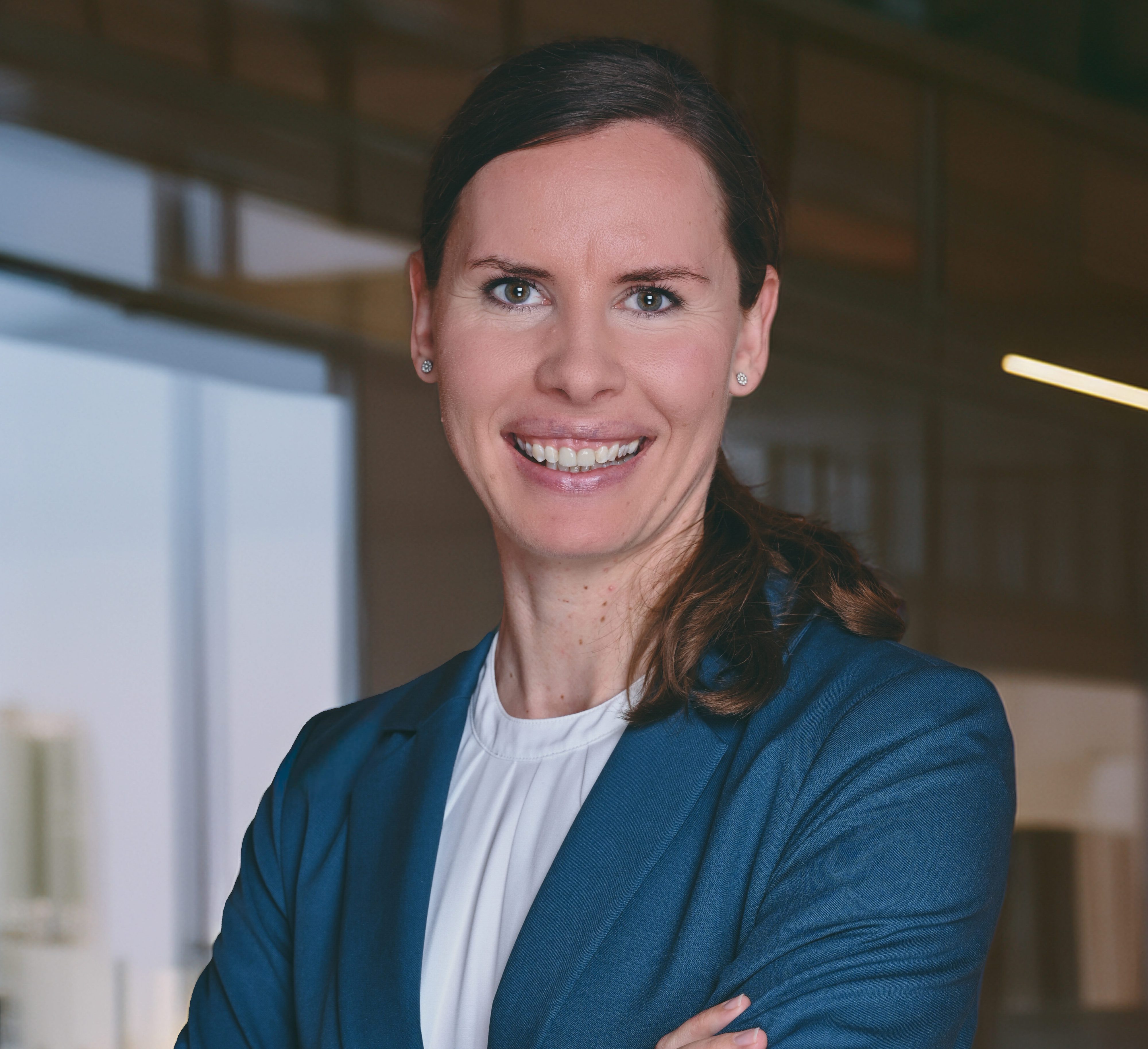
Fifty Fifty – Let's Get It Done
On the perspective of a senior leader and Executive Coach on diversity and structural barriers – an interview with Maj-Britt Pohlmann.

Why AutoStore guides visitors through LogiMAT
Cathrin Hunter (AutoStore) on better orientation at trade fairs and the partner tour at LogiMAT.
Pay Transparency in Logistics: What's Coming for Fleet and Warehouse Operations
On the new EU directive, its concrete impact on logistics companies, and why waiting is the most expensive option.