


Leadership in Modern Logistics
Living and passing on growth – an interview with Lorena Garcia from AUTODOC.

In a nutshell: In this interview, you'll discover why growth is not a title but an attitude, how to lead employees through change, why micromanagement has no future, and why modern logistics leadership always starts with people.
An honest, hands-on insight into leadership, straight from the day-to-day life of Lorena Garcia, Director of Transportation at AUTODOC.
Logistics as Coincidence and as Passion
"I think logistics was pure coincidence at the beginning," says Lorena Garcia with a laugh. She studied Industrial Engineering in Chile with the goal of working in mining. But as so often happens, her career took a different path than planned. "I started at an airline in air freight. The only thing I knew back then: I wanted to work abroad someday." What followed was a career that is exemplary of continuous growth in logistics: Capacity Planning, Revenue Management, operational responsibility in warehousing, Import & Export, international teams, Road Transportation, sea freight, and always new perspectives. What fascinated Lorena from the very beginning remains her driving force to this day: "For me, logistics is the perfect balance between analytics and firefighting. No two days are the same. A Solution that works today may not work tomorrow." This dynamic shapes not only the job, but also her leadership style.
Modern Leadership in Logistics: People First
Lorena took on responsibility for teams early on – including international and remote ones. From the very start of her leadership career, she learned what is more central than ever today: trust. "Micromanagement doesn't work for me. I don't want to ask every day: Did you do this? Did you get that done?" Instead, she relies on clarity, personal accountability, and humanity. "For me, people are the most important factor. I notice immediately when someone isn't doing well, and then I ask: Is it personal or work-related?" Especially in logistics, where stressful periods such as peak season or crises are part of everyday life, that makes all the difference. "If you expect flexibility, you have to model it yourself. Leadership is not a one-way street."
Remote Work, Trust, and Freedom
Whether it's working from home, flexible hours, or international teams: for Lorena, modern work organization is not a nice-to-have – it's reality. "I don't care whether someone works at home or in the office, or what time of day it is. What matters is that we deliver." The only fixed structure: a shared time window for meetings. Everything else is based on trust. "I set a goal and a deadline. If someone realizes it's not working, I expect them to speak up. That's exactly what professionalism means." A leadership style that is becoming increasingly relevant in modern logistics, with its distributed teams and global supply chains.
Recognizing and Truly Developing Talent
A central aspect of modern leadership in logistics is talent development. But not everyone wants to grow – and that's okay. "The first question is: does the person actually want to grow? If not, any development measure is wasted energy." For Lorena, development always starts with an open conversation: "Where do you see yourself in four or five years? What do you want to achieve?" This is followed by honest feedback about gaps and potential – and, above all, practice. "Training might account for 20 percent. The other 80 percent is learning by doing." That's why she deliberately delegates responsibility. "If I don't hand off tasks, I'm taking away my team's opportunity to learn. You don't learn from books – you learn from real situations."
Growth Begins Where the Comfort Zone Ends
For Lorena herself, standing still is not an option. "I'm not someone who's comfortable with the status quo or the comfort zone. That simply doesn't work for me." Whether it was learning German, completing an MBA alongside her job, or managing complex transportation networks during the pandemic – her growth was never comfortable. But always necessary. "I often wished for calm, and when I had it, I realized: I miss the pressure. I miss the challenge." Especially in logistics – an industry under constant time and cost pressure – this attitude is crucial. Modern leadership here does not mean controlling everything, but providing direction.
Change Management: Clarity Beats Perfection
Growth means change – and change means friction. Lorena has guided major transformations on multiple occasions: building new sites, establishing new operational structures, managing rapid company growth. "Change never happens overnight. The first two or three months are almost never perfect – and that's normal." Her approach: structure, clear expectations, and transparency. "What are the expectations? What is the minimum we can accept? And what happens if it doesn't work?" This clarity reduces frustration and gives teams a sense of security during uncertain phases.
Passing on Growth: The Role of Tomorrow's Leader
And in 2040? Lorena is not thinking about retirement. "I want to pass on my experience – not solve problems, but empower people." Whether as a professor, strategist, or mentor: her goal remains the same. "How do I make it possible for younger employees to gain that experience themselves?" Because that is precisely what modern leadership in logistics means: not keeping growth to yourself, but modeling it and passing it on.
The Future of Logistics: Automation Needs Experience
Automation, AI, and analytics are rapidly transforming the supply chain. But Lorena also sees risks. "If we automate everything, we will lose experience in the long run. At some point we'll have a gap, because nobody knows how processes actually work anymore." That is precisely why human skills remain essential. "Logistics doesn't work the same way every day. You need people who can 'figure it out.'" Stress resilience, analytical thinking, the ability to shift perspectives – these are skills no machine can replace. "Analytics, systems, or languages you can learn. That ability to find Solutions – not so quickly."
Leadership in Logistics Is an Attitude – Not a Title
Processes change, systems are automated, networks grow globally. But one thing remains constan

Did you find this article helpful?
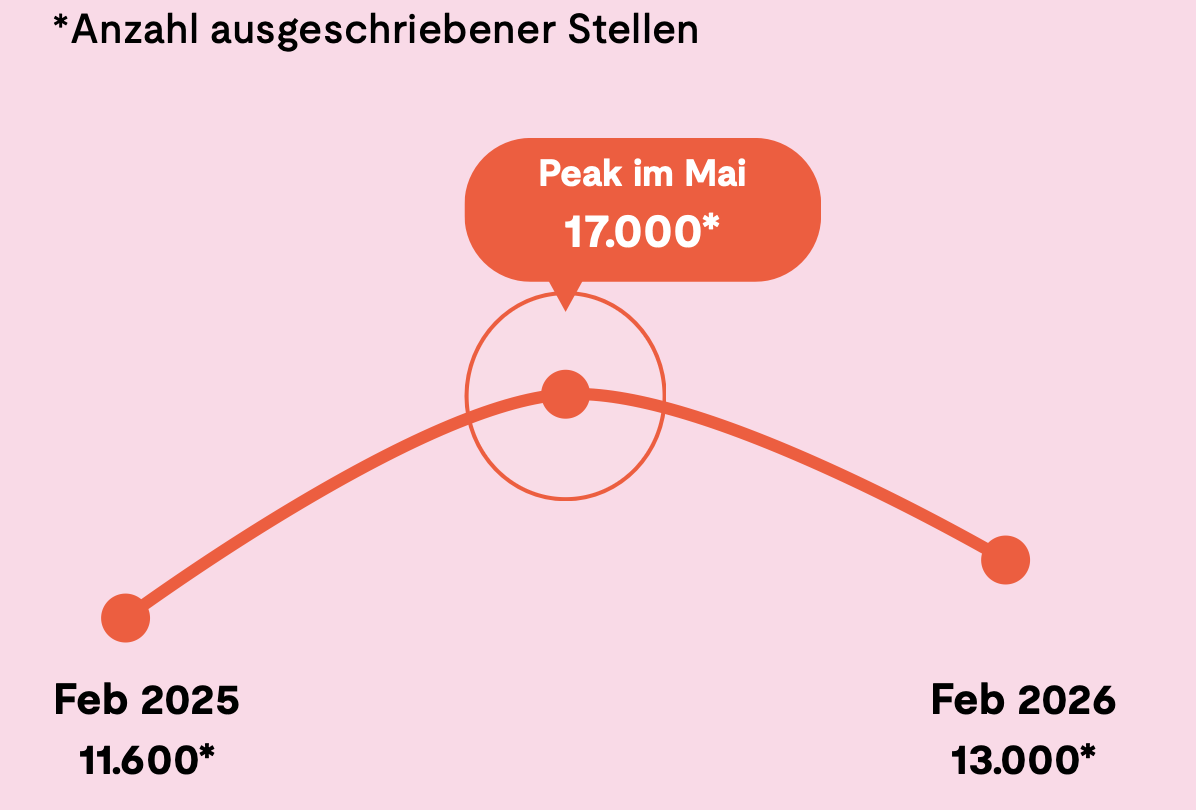
Labour Market 2025/2026 Comparison
Warehouse workers in focus - a data-driven analysis.
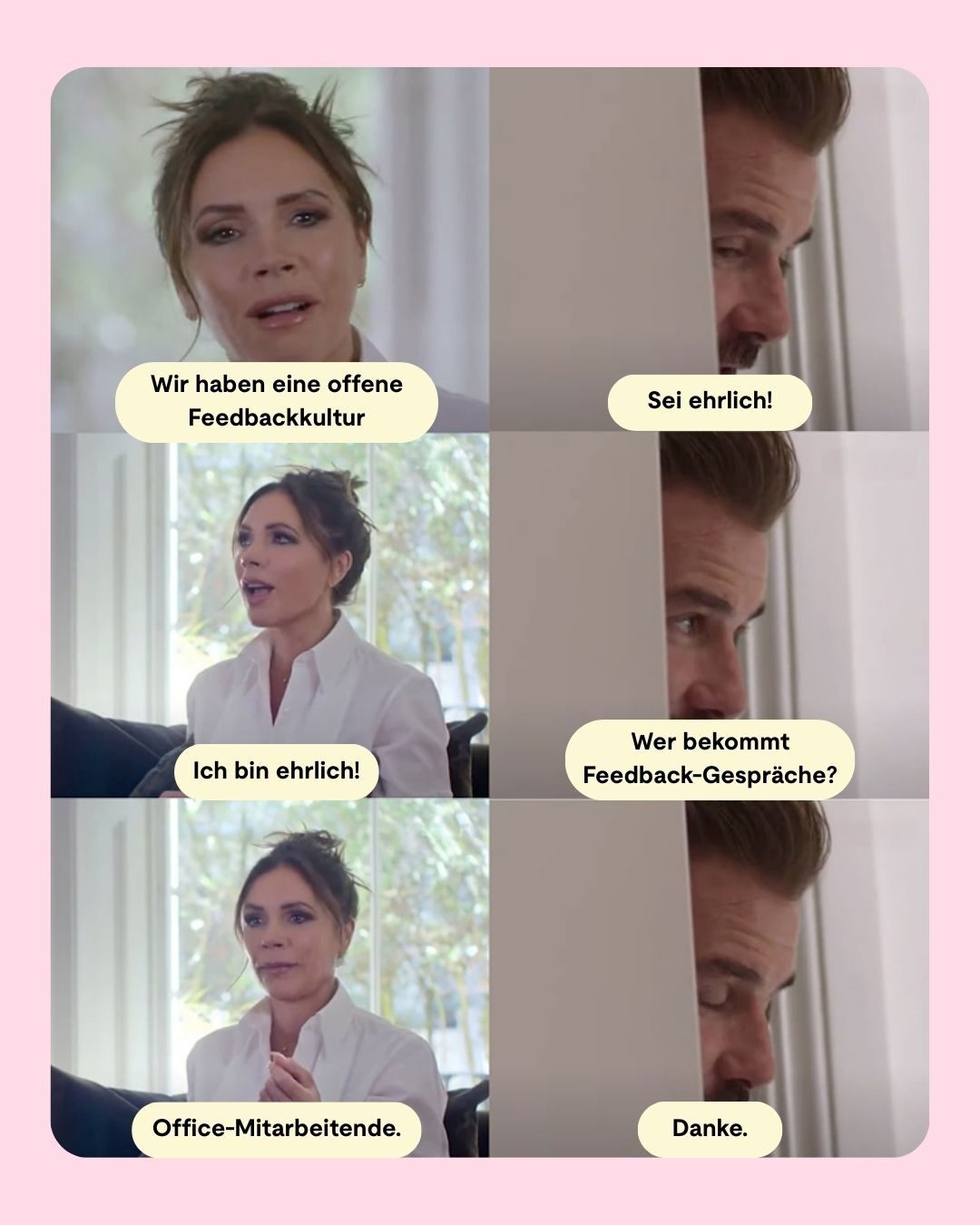
Why feedback conversations with operational employees are indispensable
Why feedback and development conversations are also crucial in operational teams.

Black Friday and Its Impact on the Logistics Industry
Shopping ecstasy for some, logistical challenge for others.

Planning Shuttle Warehouse Systems the Right Way – Answers from the even Webinar with RocketSolution
Shuttle warehouses are often planned based on gut feeling – yet it is concrete metrics that determine success or miscalculation.