


Route Optimization & Telematics: Answers from the TIS & PTV Webinar
How the interplay of real-time data and algorithms delivers more stable planning and lower costs.
In a nutshell: Many routes look perfect on paper – and fall apart in everyday operations at the very first loading dock. Time windows shift, vehicles get stuck in traffic, or loading and unloading takes longer than expected. The problem: in most companies, route planning and reality are two separate worlds. While route optimization software calculates efficient routes, telematics delivers the hard facts from the road. Only when this data flows together does a theoretical plan become a reliable route.
Did you miss the webinar?Click here for the full recording.
Sebastian from PTV Logistics knows the challenge well: route planning may be an "old hat", but the technology has evolved at a rapid pace. Yet today, planning often ends precisely where execution begins – at a media break. What actually happens on the road rarely feeds back into the system automatically; instead, it tends to stay in the dispatcher's head.
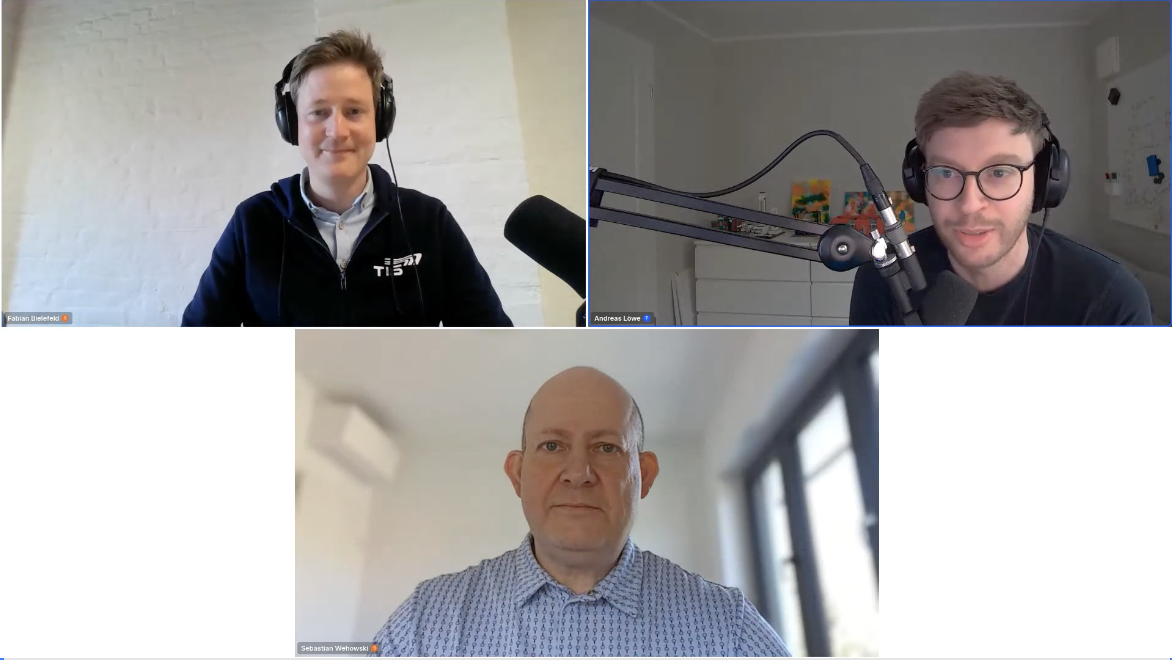
Together with Fabian Bielefeld (Managing Director at TIS) and Sebastian Wehowski (Principal Pre-Sales Consultant at PTV Logistics), we explored how merging telematics and optimization takes the burden off dispatchers. We have summarized the key questions and answers from the live webinar for you:
How does modern route planning work today, and where is the biggest obstacle?
Sebastian (PTV): We have been doing this for 40 years, but the technology is constantly changing. Today, it is about getting all customer and order data, as well as constraints such as tail lifts or temperature control, into a single system. The biggest obstacle is often capacity planning (weight vs. loading space) and the fact that we usually plan for "tomorrow" using forecast data, which is decoupled from actual execution.
What is the current state of data quality within companies?
Sebastian (PTV): The situation has improved enormously in recent years. It is almost unheard of now for us to visit a customer who has no data at all. But one thing is clear: the better the data quality, the better the planning outcome and the closer the result is to reality.
Why do route plans so often break down against the reality on the road?
Fabian (TIS): Today, route planning is often disconnected from telematics. The dispatcher works their "dispatch magic" overnight, orders are pushed to the app, and the vehicle rolls out. But then the human factor kicks in: the driver might visit a different stop first, or take a longer break at a customer's site because they know someone there. Without real-time data flowing back, planning remains blind to this reality.
Can route optimization software automatically learn from real-world data?
Sebastian (PTV): That is precisely the idea behind PTV OptiFlow. Today, we still often work with average values for loading and unloading times. But people and customers vary in speed. Through the partnership with TIS, we want to use execution data – such as dwell time statistics – to automatically correct master data. If I consistently spend 15 minutes at Customer A instead of the planned 12, the system needs to learn that for the next planning cycle.
What advantage do dispatchers gain from integrating telematics and planning?
Sebastian (PTV): Dispatchers are often operational geniuses, but master data maintenance is where time typically runs out. The integration ensures that the mapping of planned vs. actual no longer lives only in people's heads. The system learns from execution and delivers better forecasts for the next route.
What is the core of the joint approach from TIS and PTV?
Fabian (TIS): We don't need to reinvent the wheel. PTV has invested years of development into the algorithms. We contribute real-world data through our telematics and an API integration. The goal is true end-to-end continuity with no media breaks.
Conclusion: Data flow instead of knowledge silos
The webinar made one thing clear: the greatest lever for reducing transport costs lies not in ever more complex algorithms, but in closing the gap between plan and reality. When telematics data directly feeds the next planning cycle, operations become more stable. This not only relieves the burden on dispatchers, but also leads to more satisfied customers and drivers.
Did you miss the webinar?
👉 Click herefor the full recording.
👉 Click here for the even profile of TIS.
Did you find this article helpful?
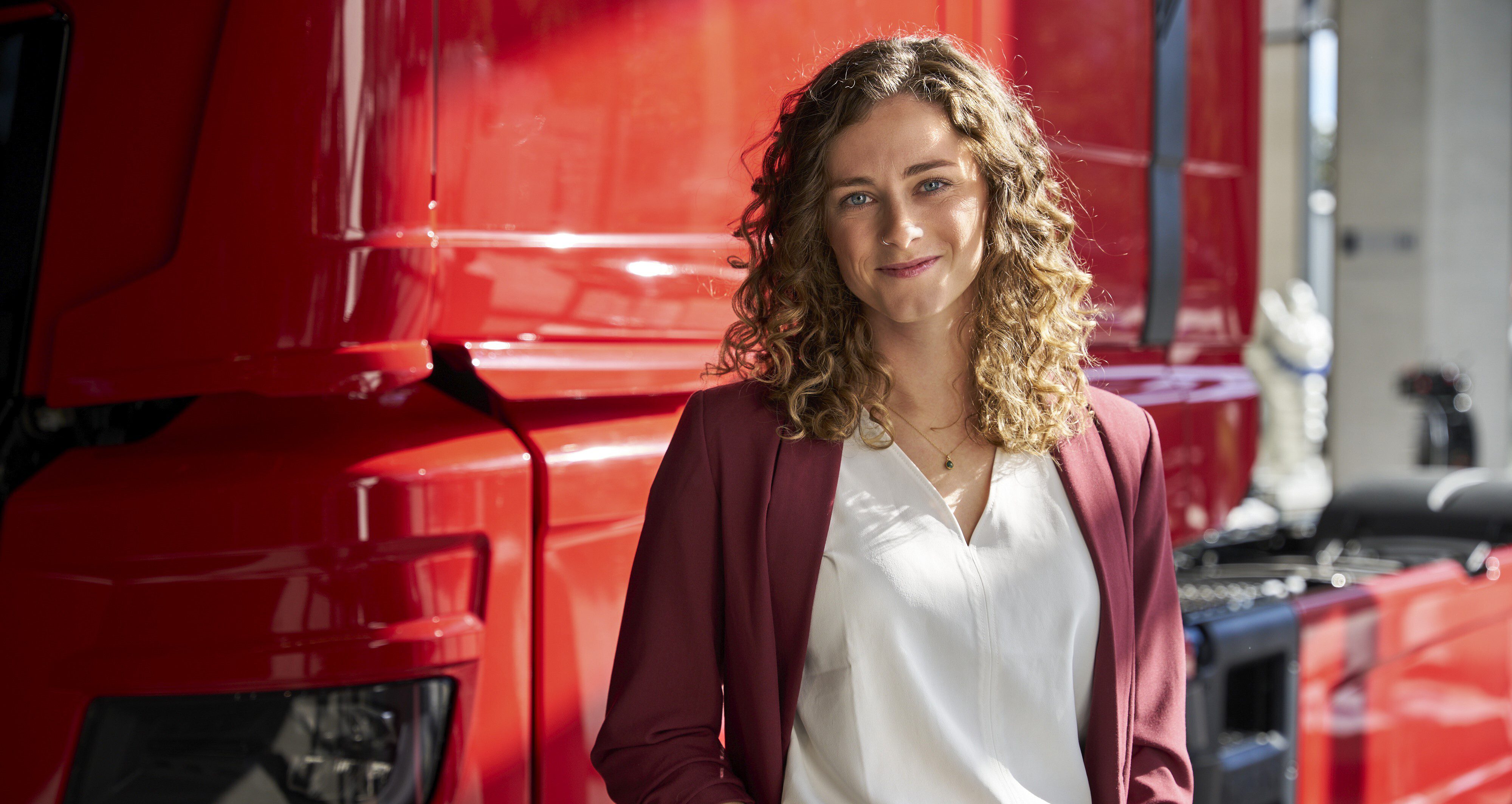
Wie Svenja Mertens das autonome Fahren aus psychologischer Perspektive denkt
Svenja Mertens, HMI-Entwicklerin bei MAN, über ihre Dissertation und Human Factors in der Logistik.
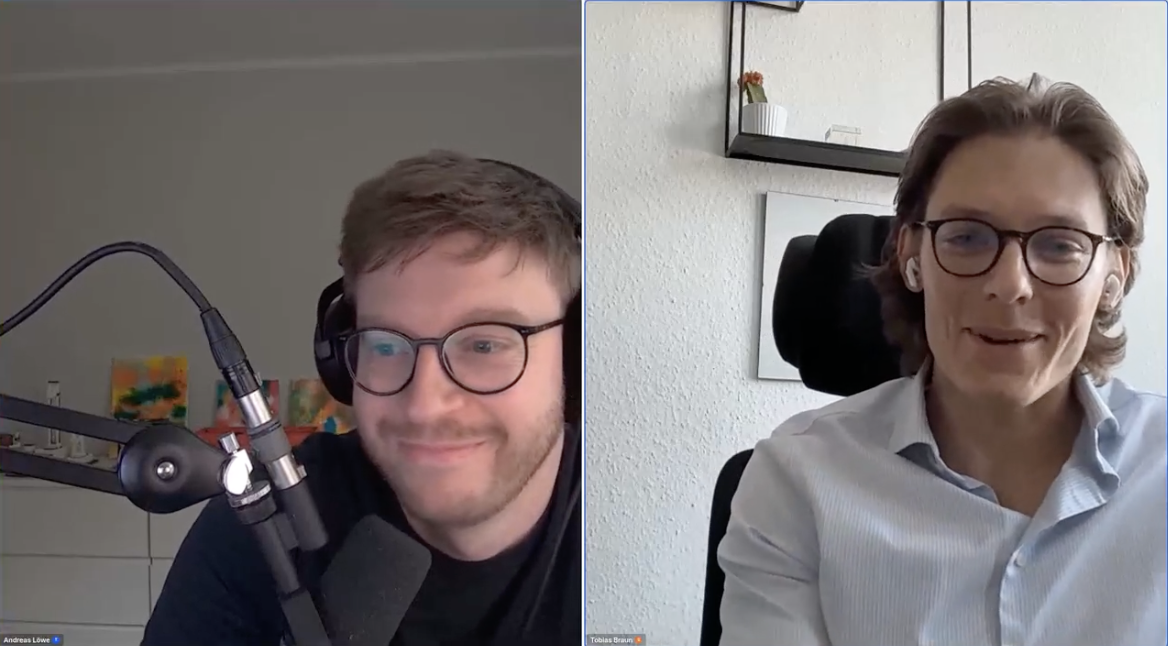
How AI Agents Take Over Delivery Scheduling – Insights from the Webinar with ProLogistics
How digital employees relieve teams, speed up the notification process, and reduce transport costs.
Transportnetzwerke mit FAP-Daten optimieren - Antworten aus dem even Webevent mit Infios
Über die spannendsten Fragen zu Frachtkostenprüfung, Datenqualität und strategischer Carrier-Steuerung.
From 100 Ships to Zero: A System on the Brink
How geopolitics is rewriting the rules of global supply chains — with supply chain and logistics expert Muhammad Shoaib.