


From Idea to Reality – How even logistics Found Its First Investors
About the investor search, first employees, and the crucial notary appointment – the next step for even logistics.
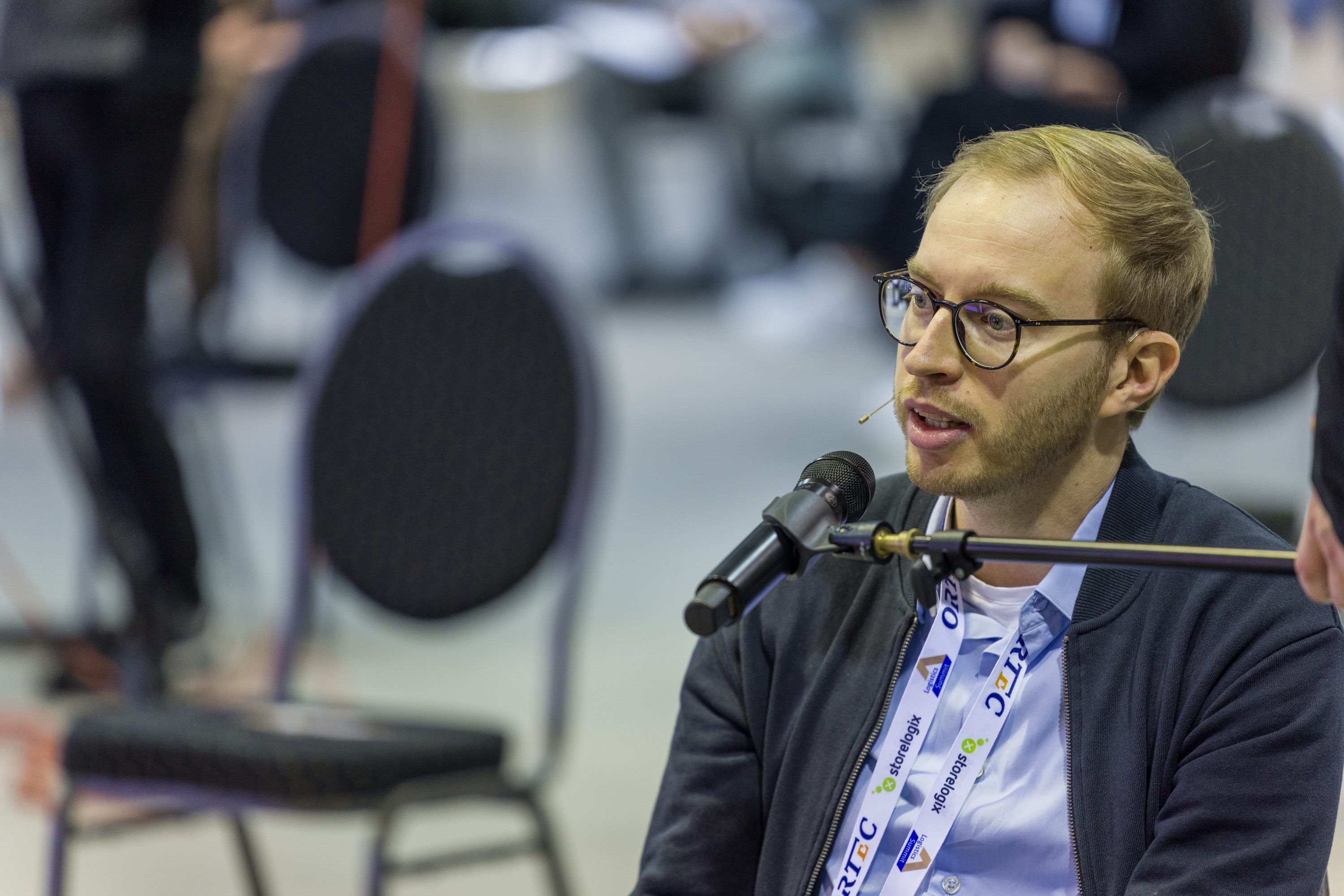
Finding investors was one of the biggest challenges on the path to founding even logistics. This article shows how Andreas Löwe convinced potential investors, why choosing the right investors was crucial, and how he simultaneously founded the GmbH and hired the first employees – despite financial uncertainties. From intensive contract negotiations to the crucial notary appointment: the next big step in the founding story. How it all began, you can find out in part one of the story.
The Next Step: The Search for Investors
Early on, it was clear to me that I couldn't finance even alone. I needed investors – people who not only brought capital, but also believed in my vision. So I sat down, refined a "convincing" presentation and developed a pitch deck with which I approached potential partners.
The first conversations were exciting. Lots of positive feedback, good response – but also critical voices. That wasn't surprising, but part of the process. Yet every rejection initially felt like a stab to the heart. It was an important lesson: You have to let go of setbacks and keep going. Success in finding investors doesn't mean everyone says "yes," but that in the end the right partners are on board.
I also had to learn a lot here, because I'd never actually raised money before. The process was clear to me, but the step from an idea and a few slides to a real commitment for an investment is a completely different challenge.
And then after a few weeks, it happened: I suddenly had enough potential investors. But now I also had to choose who I wanted to work with. Who gets a piece of even? That was a new, unfamiliar situation. Which investors were really a good fit? Who brought knowledge and networks in addition to money? Particularly important to me was our core value: independence. So I decided against entrepreneurs and companies from the logistics industry. I was looking for partners who supported my vision without pushing me in a particular direction.
A fitting quote from my recent conversations at AutoStore from Mats Hovland Vikse (CEO AutoStore):
> "My number 1 advise to you as a founder: Focus on the right investors. May raise a little bit less, but have the right ones in and don't have investors just because they have money"
In the end, I had six suitable potential investors on board. One dropped out at short notice, but fortunately I found a replacement. So in the end there was a verbal commitment for our seed financing.
The First Big Step: Founding and First Employees
While the financing rounds were ongoing, there was no time to lose. I had to establish the GmbH. In April it happened: even logistics was officially registered as a company.
But I didn't want to wait until every contract was signed. Starting May 1st, I hired the first employees – a huge risk. The financing wasn't fully secured yet, but I had confidence in the process and my conviction that everything would work out. My team also believed in even. They relied on us achieving this together. This support and trust meant an incredible amount to me.
Ping-Pong with the Lawyers
Next came a phase that demanded an enormous amount from me: The legal drafting of the contracts for the capital increase.
Together with my lawyers, I developed a detailed, fair contract framework. But that was just the beginning. Then came negotiations with the investors' lawyers – a seemingly endless back and forth. A ping-pong game that stretched over weeks. Every clause was scrutinized, every detail questioned. The fear that something could still go wrong constantly gnawed at me.
An important insight helped me here: You can't let uncertainties paralyze you. I learned to clearly represent my position and insist on my values. Fortunately, I had excellent legal support – without it, this would have been impossible.
The Big Day: Notary Appointment and Funding
Finally, the time came: The first notary appointment for the capital increase was scheduled. A decisive moment that I had worked toward for a long time. I was nervous, but also full of anticipation.
As if that weren't enough, another important event fell on the same day: My final pitch for IFB Hamburg and their InnoFounder program (more information here).
I was actually on vacation at the Baltic Sea at the time, but drove to Hamburg for this one day. The morning began with the pitch for the funding. I presented our idea, our progress – and felt that it was going well. By lunchtime the confirmation came: We had received the funding! That meant 2,500 euros monthly for 18 months – an important additional financial buffer. How the process and program worked for us, I'll explain in detail elsewhere.
In the afternoon came the big notary appointment. Four hours long every detail was discussed. I remember how I kept smiling in between – because I realized how far I had come. When I finally left the notary's office, a huge weight fell from my shoulders. It was done.
On this day, I felt like the world was mine. Everything had worked out. The financing was secured, the contracts signed – and now (after vacation…) things could really get going. even was no longer just an idea. Now it was becoming reality. And that's exactly where we'll continue in the next article.
Looking for a suitable Solution for your logistics? Here you'll find the comparison platform that makes your search easier.
Did you find this article helpful?

Planning Shuttle Warehouse Systems the Right Way – Answers from the even Webinar with RocketSolution
Shuttle warehouses are often planned based on gut feeling – yet it is concrete metrics that determine success or miscalculation.

Storing Ugly Goods automatically – answers from the even Webinar with advasolutions
What Ugly Goods are, why conventional systems reach their limits here, and how carrier-free storage works in practice.

How to Plan an AutoStore System – Answers from the even Webinar with AutoStore
From the first key figures to the finished grid design: How requirements become a warehouse system.

The Underestimated Climate Problem in the Warehouse
On sustainability in automated small parts warehouses. An interview with Timo Landener on energy, density and CO₂ in intralogistics.