


What Employees in Logistics Really Want
About benefits that go far beyond salary – and become the key to motivation and retention.

In a nutshell: Benefits in logistics are far more than perks – they are the key to holding your own in a fiercely competitive market. Those who actively address the needs of their employees invest in motivation, loyalty and a strong company culture. But which benefits really count?
Which employee advantages beyond salary make a difference.
The logistics industry is the backbone of the global economy, and the people who work in it are its heart. Yet in an industry that often comes with high demands, shift work and physical strain, employee benefits play a central role in attracting, retaining and motivating talent over the long term. But which benefits are truly relevant and make a real difference in logistics?
1. Financial security and recognition
A competitive salary is the foundation, but additional financial benefits can round out the overall package:
- Performance bonuses and incentives: Especially in logistics, where deadlines and efficiency are paramount, bonuses for strong performance are highly motivating. These can be used in particular during peak periods such as Black Friday as an incentive and a sign of appreciation. Further measures to support employees during Black Friday are listed here.
- Shift work supplements: Transparent and fair supplements for night, weekend and public holiday work – in addition to those required by labor law – are a sign of genuine appreciation.
- Company pension plans: In an industry with high employee turnover, pension schemes signal that the company cares about its employees' futures and is committed to long-term retention. Although employer contributions may seem less attractive at first glance than short-term benefits such as bonuses or gym memberships, they are a central pillar of employees' financial security. To ensure their value is properly recognized, company pension plans should be clearly communicated and actively brought to the forefront.
2. Flexibility despite shift work
In an industry where rigid working hours are often the norm, flexibility is increasingly valued and is essential for attracting staff.
- Individual shift planning: The use of digital shift planning tools gives employees greater influence over their working hours.
- Part-time or flexible weekly hours options: A major advantage, particularly for parents or those caring for relatives. At the same time, this broadens the target group for recruitment. Here you can find the detailed article on career changers in logistics.
- Remote work where possible: Administrative roles, such as those in dispatch or positions with fewer operational tasks, can be made more attractive through remote work options.
3. Health and wellbeing
The physically demanding nature of work in logistics makes targeted health promotion especially important. While some measures are already considered standard, many companies still have significant potential to take these approaches to the next level and improve them sustainably.
- Ergonomic workplaces: From well-equipped warehouse workstations with anti-fatigue mats to ergonomic office chairs – small investments can have a major impact and increase productivity. Height-adjustable desks or improvements to employees' reach zones are further ways to optimize working conditions.
- Fitness offerings: Gym memberships, on-site fitness rooms or group sports classes help offset the physical demands of the job. Large warehouse facilities on expansive sites offer ideal opportunities to make meaningful use of outdoor areas for physical activity. By installing basketball hoops, table tennis tables or outdoor gyms, companies can actively contribute to employee health. However, simply providing the equipment is not enough – its use should be actively encouraged. Weekly meetups, organized events or sporting competitions can motivate employees and strengthen team spirit, ensuring these offerings are met with lasting enthusiasm.
- Health checks and prevention programs: Regular health screenings, vaccination offers and nutrition courses not only signal genuine care, but also make an important contribution to the long-term health and performance of teams.
- Mental health support: In an industry frequently characterized by high time pressure, programs offering psychological support – such as coaching or anonymous counseling services – send a strong signal of appreciation and care. For such offerings to reach their full potential, it is essential to consider the linguistic and cultural needs of employees when selecting providers. Only in this way can it be ensured that support is accessible without barriers and equally available to all staff, regardless of their background or language skills.
4. Career development and further training
Employees who have opportunities to grow stay with a company longer and are more motivated. In addition, companies benefit from the increased qualifications of their workforce, which in turn strengthens competitiveness and the capacity for innovation.
- Internal advancement opportunities: Transparent career paths that facilitate the transition from operational roles into management positions are an important factor in an employer's attractiveness. Structured and proactive career planning is key. This should include clear goals and concrete measures

Did you find this article helpful?

Pay Transparency in Logistics: What's Coming for Fleet and Warehouse Operations
On the new EU directive, its concrete impact on logistics companies, and why waiting is the most expensive option.

Why feedback conversations with operational employees are indispensable
Why feedback and development conversations are also crucial in operational teams.

The Underestimated Climate Problem in the Warehouse
On sustainability in automated small parts warehouses. An interview with Timo Landener on energy, density and CO₂ in intralogistics.
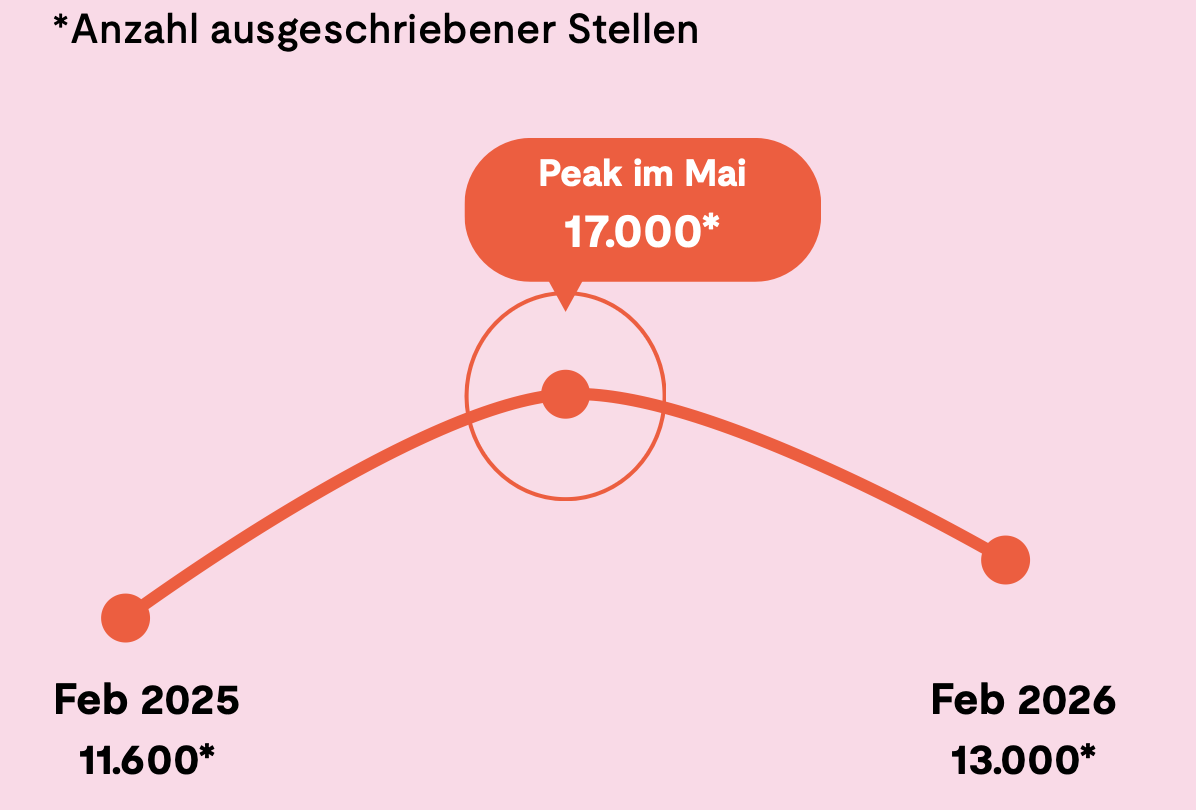
Labour Market 2025/2026 Comparison
Warehouse workers in focus - a data-driven analysis.