


10 Questions Usually Only Asked of Women
An interview with Thoralf Krause, father of four and Head of Logistics at Drees & Sommer.
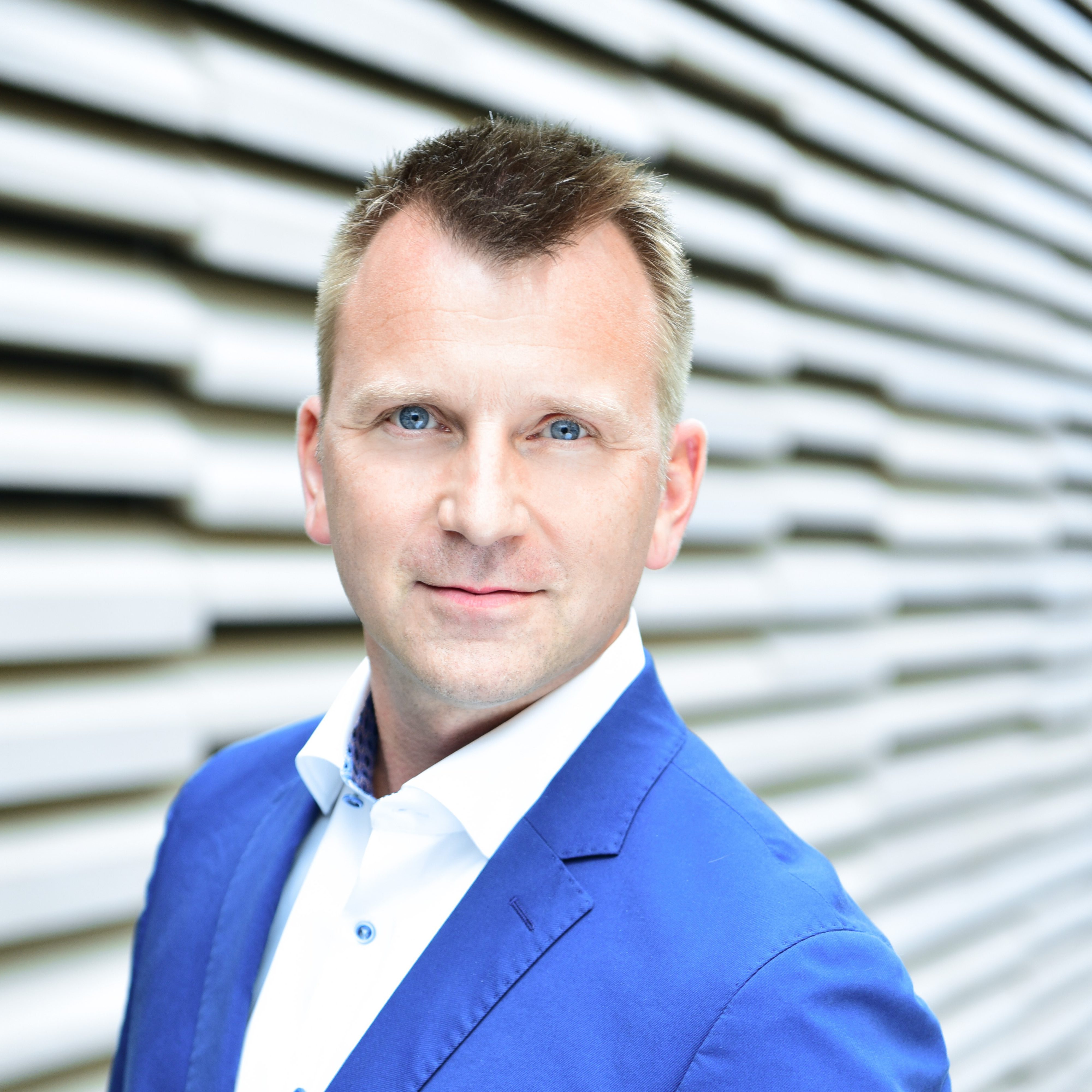
In a nutshell: Thoralf Krause, Global Head of Logistics at Drees & Sommer, answers questions that are typically posed to women in leadership positions. He is a father of four — his children are 24, 21, 10 and 7 years old — and has built a successful career alongside that. In this interview, he shares how he manages to juggle work and family.
Lisa: What do you do at Drees & Sommer and how does your work relate to the logistics industry?
Thoralf Krause: Drees & Sommer is an internationally active consulting firm for construction and real estate projects. My area focuses on developing Solutions for the logistics of the future — not just how to build a warehouse, but how entire supply chains or port infrastructures can be designed efficiently. I think through processes from the supply chain all the way into the plant — and beyond. It's about an integrated approach that creates added value for our clients while also driving innovation and positioning us as thought leaders.
Lisa: Was working in logistics always your goal?
Thoralf Krause: Not at all — it was more of a coincidence. I studied architecture and spent six years in research and teaching at Bauhaus-Uni Weimar. I quickly realized that my strength lies more in initiating things rather than necessarily seeing them through operationally. After my time at university, I moved into industry, and that's when the first real balancing act between career and family began. My first marriage broke down at that time — not only because of the heavy workload, but because we had grown apart. I initially managed one site and later several sites of a plastics institute. From that point on, business travel and client meetings became an exciting yet also demanding part of family life. I joined Drees & Sommer five years ago in business development and have been responsible for the logistics sector for two and a half years now. Logistics fascinated me immediately — it's an enormous puzzle of processes, flows of goods and structures.
Question 1
Lisa: Did you adjust your career plans when you became a father?
Thoralf Krause: Yes, inevitably — not because I had to, but because I wanted to. I became a father straight after finishing my studies and consciously looked for ways to work on my own terms. A classic 9-to-5 job was never an option for me. I wanted to be able to take my children to school or kindergarten in the mornings — simply to be present.
Question 2
Lisa: How have you managed to balance career and family?
Thoralf Krause: Have I managed it? My family will probably be able to tell me that one day. I make a real effort to balance both, but it isn't easy. I don't just want to protect or entertain my children — I also want to show them by example how to navigate life. My career and my constant search for new challenges are an essential part of that.
Question 3
Lisa: Who looks after the children when you work long hours?
Thoralf Krause: It varies. My two daughters from my first marriage have been living their own wonderful independent lives for a few years now. For our two boys, we're very fortunate that both grandmothers live nearby and support us a great deal. When the two younger ones weren't yet in school, my wife took on the main share of childcare. I always tried to schedule my appointments in a way that worked for the family. One important factor in supporting families would be a reliable childcare offering — both kindergarten and after-school care at primary school level.
Question 4
Lisa: Have you considered going part-time?
Thoralf Krause: Yes, definitely. When my two older daughters were small, it was barely conceivable in society — paternity leave for fathers wasn't even on the radar. With our third child, my second wife and I would have liked to, but the financial sacrifice would have been too great. With our fourth child, we finally managed it with an enormous amount of planning. I find it unfair that higher-earning parents are disadvantaged when it comes to parental allowance. At the time, I received 300 euros as compensation and was the sole breadwinner. That's a tough situation to manage. The concept is a good one, but it often fails to reflect the reality of families.
Lisa: Would you say that this also puts women at a disadvantage?
Thoralf Krause: Yes, absolutely. But not only women — men too, and parents in general. In practice, the higher-earning parent is often automatically pushed into the role of 'breadwinner'. And that deprives them, to some extent, of the opportunity to be genuinely present in family life. This societal conflict is left for the couple to resolve on their own.
Question 5
Lisa: Do you feel guilty when work means you have less time with your children?
Thoralf Krause: Perhaps not guilt exactly, but certainly a bad feeling. Especially on longer business trips. You sit alone in a hotel room in the evening and simply wish you were at home with the children. Even video calls don't help with that.
Question 6
Lisa: In your opinion, are men in senior management judged less critically when they put family and household second?
Thoralf Krause: Yes, I think so — at least unconsciously. But things are shifting. When men today find creative ways to combine both, it gets noticed and people — men included — start asking questions.
Question 7
Lisa: Have you had to prove yourself particularly as a father with a career?
Thoralf Krause: Absolutely. And in two different ways.
Lisa: Have you ever thought about scaling back your professional ambitions because of that?
Thoralf Krause: Yes, that has come up. But not because the job overpow
These answers were generated with AI.
Did you find this article helpful?
Dungarees, Safety Boots, Forklifts
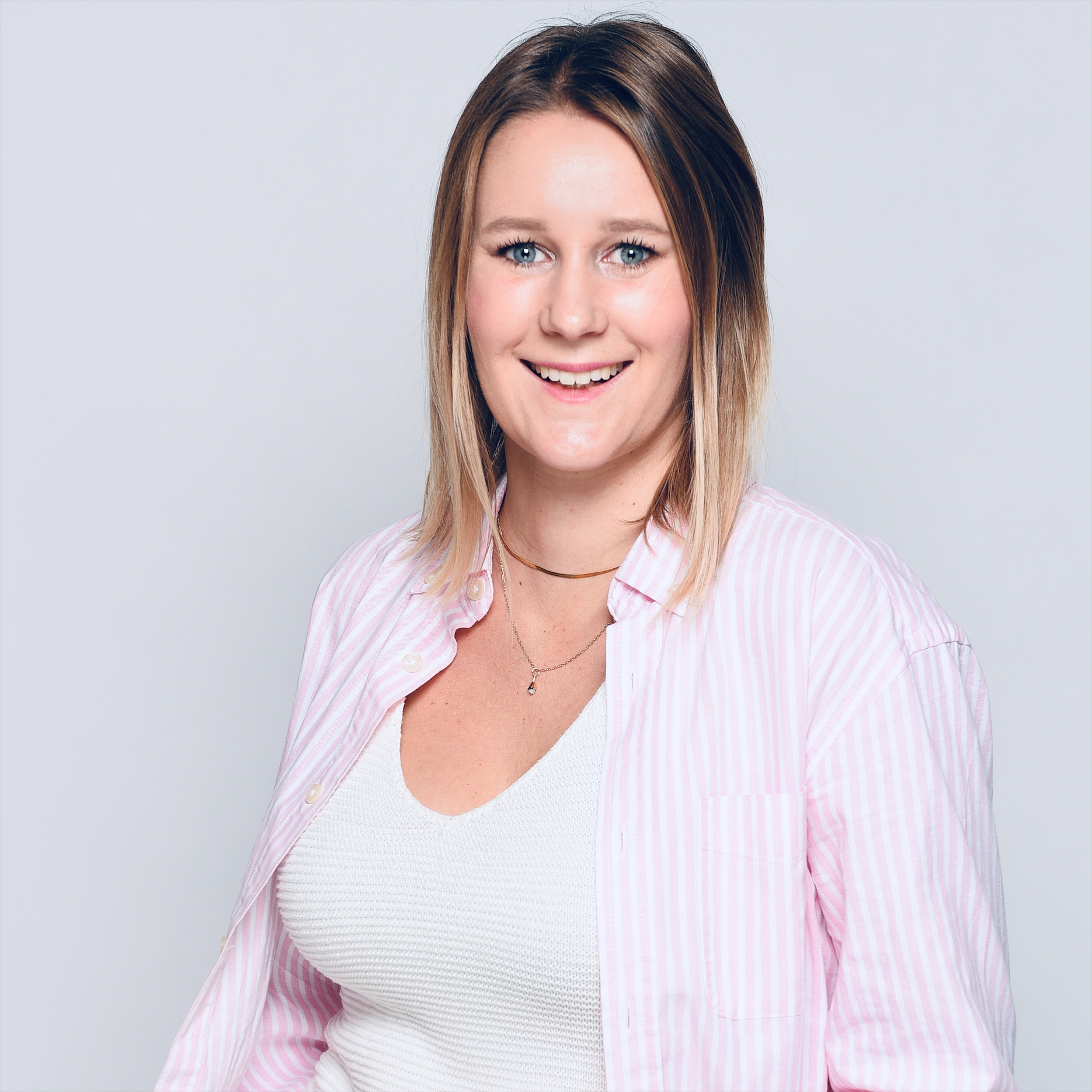
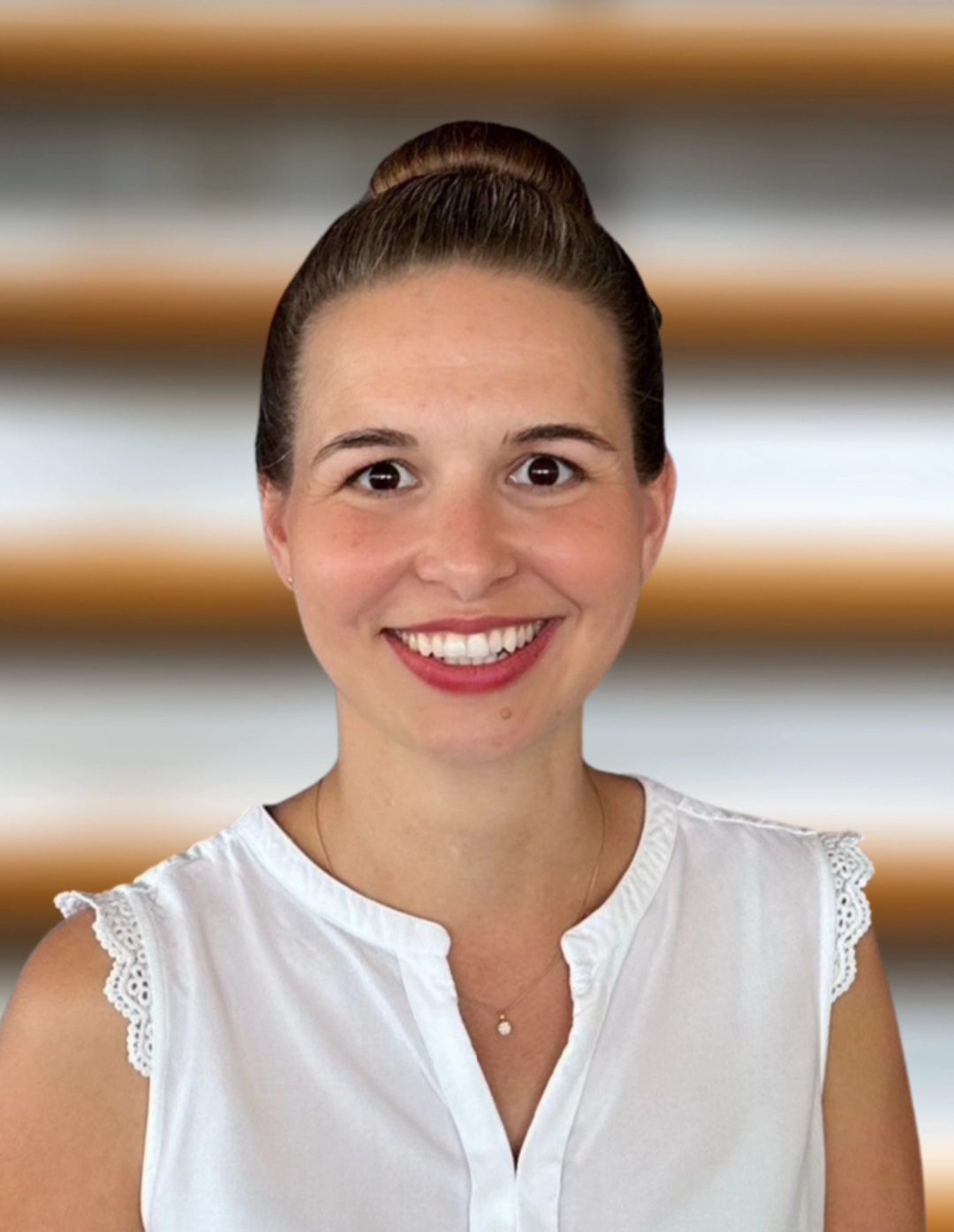
Why logistics needs to shed its dusty image – an interview with Stefanie Schlichting.
These Logistics Solutions Have Been Recognized by even for the First Time
About the first ever even award and which Vendors received particularly high Reviews.

Gamification: Gimmick or Business Booster? - with Falk Ebert
How companies use game mechanics to motivate users and employees.
From Tool Mechanic to Head of Logistics at PURELEI - an Interview with Sebastian Imhof
About career change into logistics, challenges in the new job, and why flexibility is the key to success.