


Gamification: Gimmick or Business Booster? - with Falk Ebert
How companies use game mechanics to motivate users and employees.

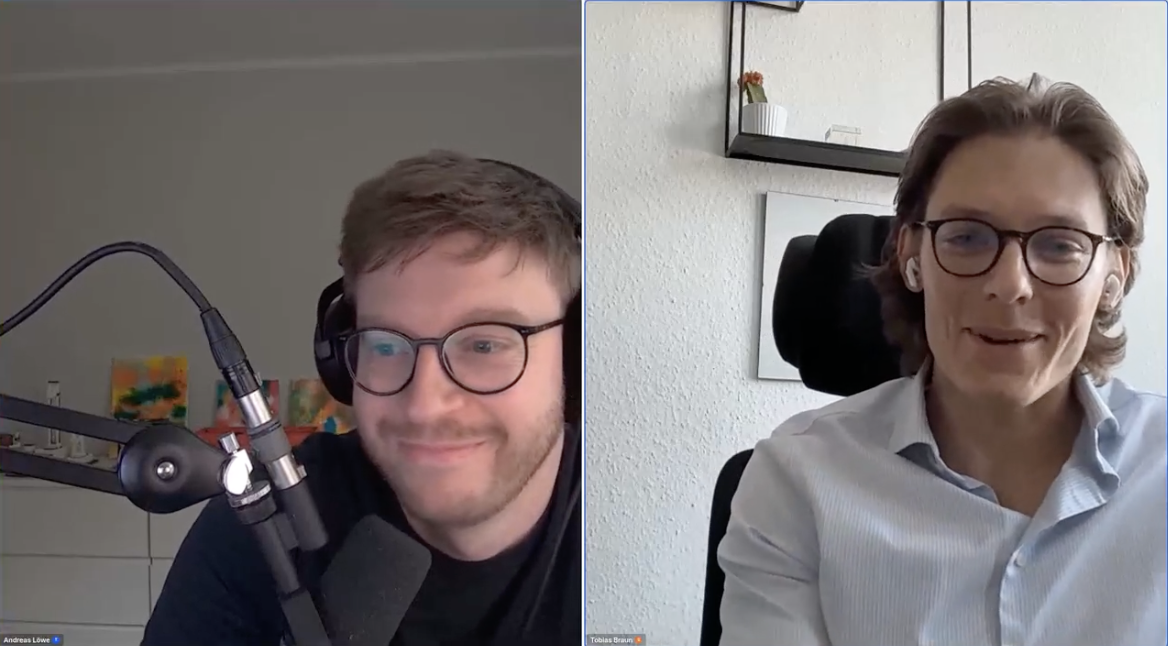
In this episode of even it up, Falk Ebert is our guest. The independent consultant for strategy and innovation and expert in gamification and AI explains why gamification is not just a clever method for user engagement, but is deeply rooted in our human nature. From progress bars in LinkedIn profiles to loyalty programs at Starbucks to game-based work processes – we encounter gamification everywhere. But how does it really work?
Gamification: More Than Just a Trend
It's long been proven: people love games – not just in the form of video games, but also in everyday mechanisms. Progress bars, points, rewards and leaderboards are just a few examples of gamification elements that can increase motivation. But when does gamification really work? And where might it even lead in a dangerous direction?
Falk Ebert emphasizes: "When gamification is done well, it creates motivation without exerting pressure." A classic example is the language learning app Duolingo: Those who practice daily receive virtual rewards and maintain a "streak" – a mechanic that keeps many users engaged long-term. But: "There's also the point where you ask yourself: Am I still learning, or do I just not want to lose my streak?"
Gamification in Business Context: Meaningful or Gimmick?
Companies use gamification strategically – but not always meaningfully. A well-known example from logistics: warehouse employees scan barcodes to pick products. Some companies reward the fastest with leaderboards or bonuses. But is that really motivating? "When employees are intrinsically motivated, gamification can actually demotivate them. It always depends on how it's implemented," says Falk.
This also applies to the so-called Industrial Metaverse. While the progress of the classic metaverse remains questionable, digital twins and simulation models are already reality in industry. They help companies optimize processes – often with game-based elements that make getting started easier.
Where Gamification Works – and Where It Doesn't
Gamification can be a powerful tool – but it's not a cure-all. Companies should ask themselves: ✔ When and why is gamification worthwhile for my product or processes? ✔ Which target group do I want to reach – and how do they respond to game-based elements? ✔ Is my measure genuine motivation – or just disguised manipulation?
An example: Progress bars in online profiles like LinkedIn or application platforms seem motivating – or do they? "Many people only click 'complete profile' to reach 100% – not because they really want to," says Falk. Gamification must therefore be used with care.
Conclusion: Playing as a Success Strategy?
Whether in marketing, product design or corporate strategy – gamification is here to stay. The challenge lies in using it meaningfully and not falling into the manipulation trap. Falk's conclusion: "People have been playing since ancient times. Those who use gamification correctly can achieve a lot – but only if it really makes sense."
👉 Curious? Then listen to the full episode!
Spotify:https://spoti.fi/3XFNrOd Youtube: https://youtu.be/at1ggLMIWXM
Looking for a suitable Solution for your logistics? Here you'll find the comparison platform that makes your search easier.

Did you find this article helpful?
How AI Agents Take Over Delivery Scheduling – Insights from the Webinar with ProLogistics
How digital employees relieve teams, speed up the notification process, and reduce transport costs.

Dungarees, Safety Boots, Forklifts
Why logistics needs to shed its dusty image – an interview with Stefanie Schlichting.

How Social Media Makes B2B Companies Visible
Insights into FIEGE's social media strategy with Svenja Silkenbäumer.
These Logistics Solutions Have Been Recognized by even for the First Time
About the first ever even award and which Vendors received particularly high Reviews.