


5 Soft Skills for Logistics Leaders
On communication, problem-solving, and leadership strength.

In a nutshell: In the logistics industry, technical know-how and operational expertise are indispensable. Yet what truly sets a great leader apart from an exceptional one are soft skills – those abilities that influence the working environment, team efficiency, and the capacity to respond to challenges. Here are five soft skills every logistics leader should possess in order to succeed.
1. Communication Skills
In logistics, the ability to communicate clearly and precisely is essential. Leaders must convey instructions in a way that every team member can understand and act upon. But communication is not just about speaking – active listening is equally important. Only those who respond to the needs and feedback of their employees can prevent misunderstandings and create an open, constructive working atmosphere. You can find important tips and measures for effective communication on the shop floor here.
2. Language Skills
In the logistics industry, teams frequently work in international and multicultural environments. Language skills are therefore an indispensable soft skill for leaders. Those who speak multiple languages can communicate more effectively with employees from diverse backgrounds and better adapt to their individual needs. This not only promotes collaboration and team spirit, but also helps to overcome cultural barriers and create an inclusive working environment.
3. Problem-Solving Skills
Unexpected problems are a daily occurrence in the dynamic world of logistics – from delivery delays to staffing shortages. A leader must be able to find creative and effective solutions under pressure. This ability not only promotes the smooth running of processes, but also strengthens the team's trust in its leadership.
4. Emotional Intelligence
A high level of emotional intelligence enables leaders to better understand and respond to the feelings and needs of their employees. Empathy creates a working environment in which the team feels valued, leading to greater motivation and satisfaction. Especially during stressful peak periods or conflicts, it is important to respond calmly and with understanding in order to maintain team dynamics.
5. Time Management
In logistics, precise scheduling and the ability to prioritize tasks are essential. A good leader can not only manage their own time effectively, but also helps the team to do the same. Time management also means identifying bottlenecks early and reallocating resources accordingly to meet deadlines and maintain workflow.
Conclusion
Logistics is a demanding field that requires leaders to master both operational and interpersonal skills. The ability to communicate effectively, solve problems quickly, show empathy, manage time efficiently, and motivate a team are essential soft skills that make all the difference. Leaders who master these skills not only create a more productive working environment, but also foster the long-term success of their team.
Looking for the right Solution for your logistics operation? Here you'll find the comparison platform that makes your search easier.

Did you find this article helpful?

Pay Transparency in Logistics: What's Coming for Fleet and Warehouse Operations
On the new EU directive, its concrete impact on logistics companies, and why waiting is the most expensive option.

The Underestimated Climate Problem in the Warehouse
On sustainability in automated small parts warehouses. An interview with Timo Landener on energy, density and CO₂ in intralogistics.
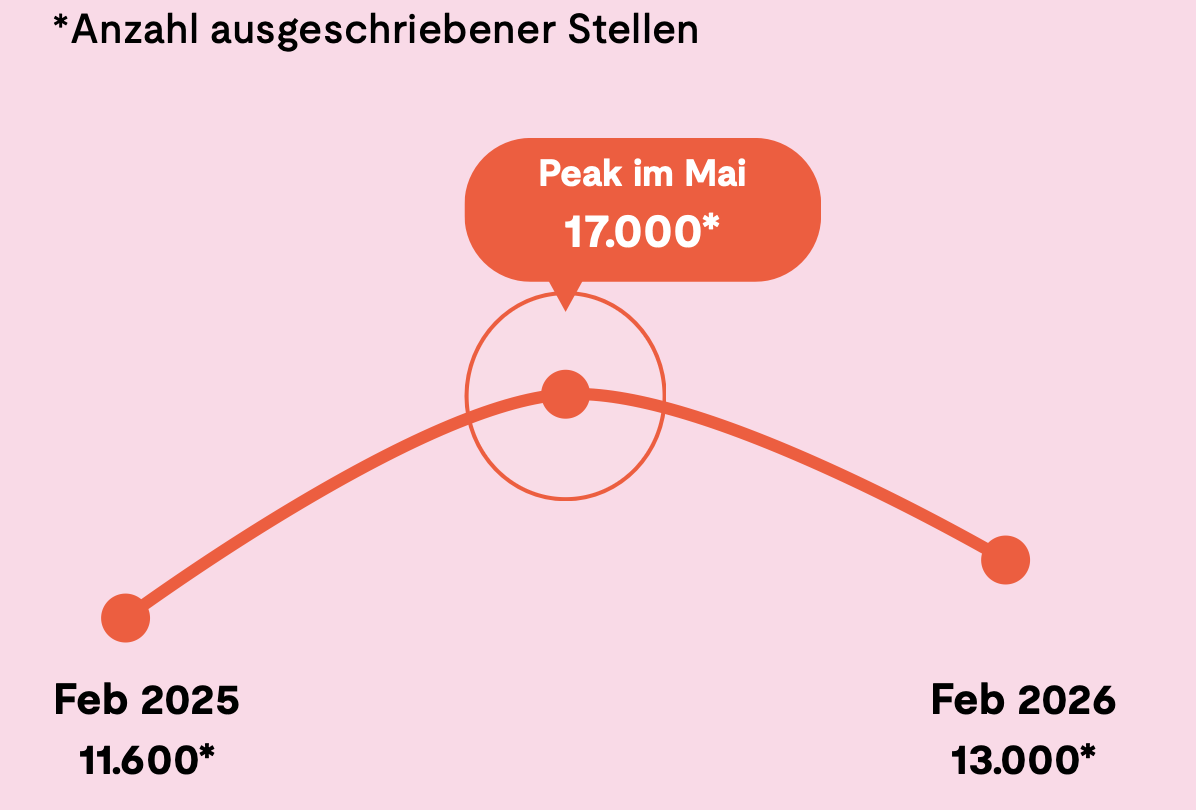
Labour Market 2025/2026 Comparison
Warehouse workers in focus - a data-driven analysis.

Sustainability and Logistics – A (Beginner's) Practical Guide to Circular Economy for Logistics
The future of logistics is no longer a straight path — it's a circle. This practical guide helps you take your first steps into the loop.