


The Factory of the Future Works Without Humanoid Robots
In conversation with Daniel Küpper from the Boston Consulting Group about the use of AI and robotics in production.

Daniel Küpper, Managing Director and Senior Partner at the Boston Consulting Group, shares insights into technological transformation in production. From virtual AI agents to the next generation of robotics and the vision of a humanless factory – Küpper explains what is already possible today, where the biggest hurdles lie, and why not every futuristic technology ultimately has a real business case.
Andreas: What trends and innovations are we currently seeing in production and in the factory of the future? What is your favorite trend?
Daniel: The big topic is artificial intelligence. It's driving many changes and is, in my view, a fundamental driver. There are two major areas: On one hand, virtual AI agents – small helper programs that observe events, make decisions, and derive actions from them. On the other hand, "embodied AI", meaning AI that controls physical processes, for example in robotics.
AI Trends and Virtual Agents
If we stay with virtual agents: Are these already widespread in industry, or is this still music of the future?
They are not yet widespread. We have collected a lot of data since Industry 4.0. Initially it was about transparency: knowing where bottlenecks are and being able to react to them. Later came advanced analytics applications – better production forecasts, predictive maintenance. The next step is the autonomous factory. This requires precisely these intelligent agents that combine data from various sources and make decisions so that a factory can truly operate autonomously.
💡 What you should know about virtual AI agents
Definition: Digital assistance systems that observe events, make decisions, and automatically derive actions from them.
Production example: Selecting the optimal production line for a product, adjusting quantities, or rescheduling in case of disruptions – without human intervention.
Potential: Relief from routine tasks, faster reactions, higher throughput.
Status: Still rare in industrial practice, but growing interest.
##
Robotics – From Programming to Training
Let's talk about robotics. How has this evolved over recent decades?
In the 1960s, everything was strictly rule-based: "If X, then Y". Every new task required its own programming, often in manufacturer-specific languages. About 15 years ago came the combination of robotic arms, cameras, and machine learning. This enabled robots to learn new skills through training for the first time. At the beginning, this was pure "trial and error" on the actual robot, today we train almost exclusively in virtual environments.
What are the advantages of virtual training?
We can parallelize training thousands of times. In the past, 1,000 training runs took weeks, today we manage that in hours and with significantly higher precision. This allows systems to be better prepared for series production. The next level is "Robotic Foundation Models". These use contextual knowledge and can implement tasks without special training. Similar to large language models, just for robotics.
Autonomous Factory
How close are we to a humanless factory?
Technically, we are already very far along in direct manufacturing. Exceptions are complex repairs or maintenance. I lack the imagination for that in the short term. But simple cleaning or inspection tasks we will be able to automate. Besides the technical question, the economic one is decisive: The investment must pay off. In Germany, this is especially worthwhile where we can save high labor costs and secure our competitiveness.
Some view automation critically because it could cost jobs.
I see the opposite: Automation is necessary to preserve jobs. Only if we become more productive can we secure and expand our prosperity. Especially in Germany, we must invest massively to remain internationally competitive.
Humanoid Robots
Humanoid robots are currently hyped. Will they play a role in the factory?
In my opinion, no. They are too expensive, too complex, and do not meet the safety requirements for industrial use. In production, there are no stairs that a robot would need to climb on two legs. Mobile platforms with robotic arms are much more efficient and cheaper. Humanoid robots, as we currently know them, would also not receive approval in factories because they are too heavy and unstable. Instead, we need robust, purpose-built systems that are optimized for clearly defined tasks. Why should an expensive system spend time transporting materials between stations when this can be done cheaper and safer with simple transport vehicles? The flexibility of humanoid robots sounds interesting, but doesn't justify the high costs in most use cases.
Why are companies still investing in pilot projects?
Often for marketing reasons or to test technologies on a small scale. Of course I'm curious to see where this develops, and maybe we'll talk differently about it in ten years. But currently I don't see widespread deployment. For the few cases where flexibility is truly decisive, other solutions can be developed, for example mounting robotic arms on autonomous platforms.
What is your key takeaway for the future?
AI and robotics are developing rapidly, and we will see significant progress in the coming years. Systems will become more precise, more flexible, and capable of making more decisions independently. But not every technology that looks impressive is also economically sensible. What matters is that it brings clear benefits and pays off.
👉 Curious? Then listen to the full episode!
YouTube:

Did you find this article helpful?

Leadership in Modern Logistics
Living and passing on growth – an interview with Lorena Garcia from AUTODOC.
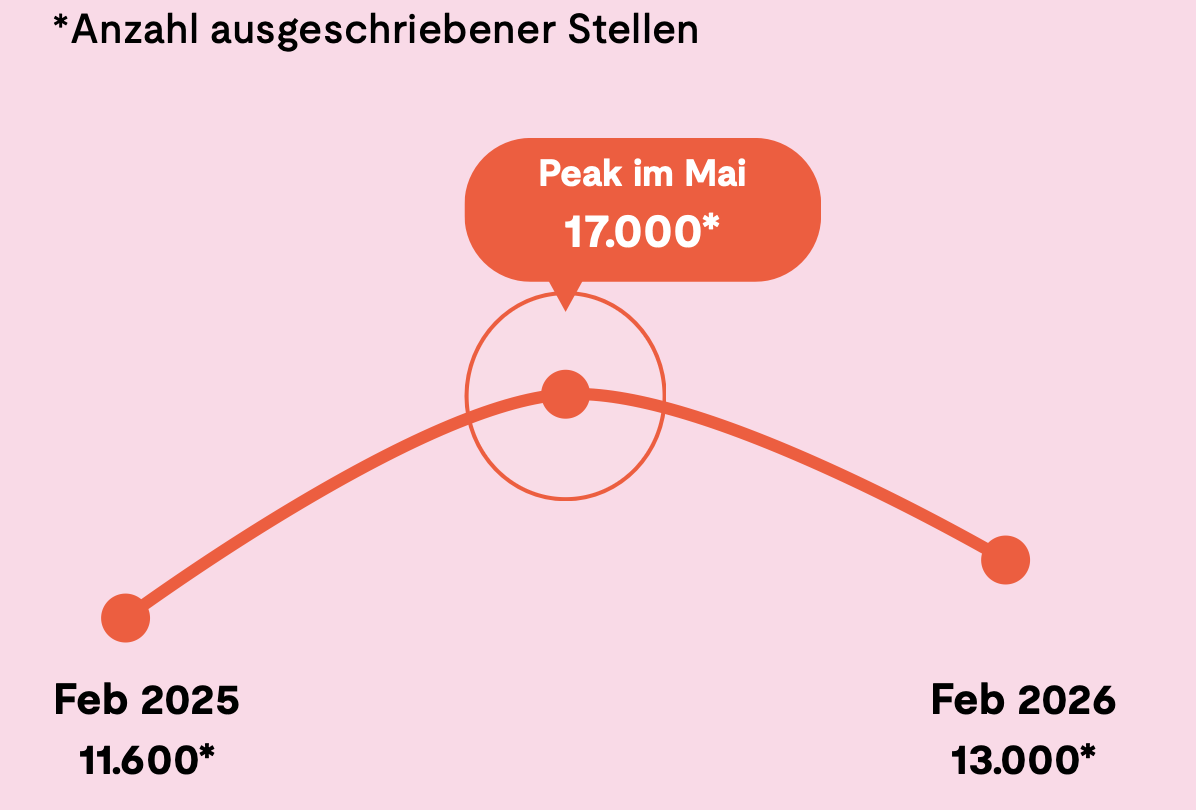
Labour Market 2025/2026 Comparison
Warehouse workers in focus - a data-driven analysis.

Robotic Piece Picking: Components, Technologies, and the Difference Between Cobots and Industrial Robots
Robotic Piece Picking closes the final gap in logistics automation and reveals which technologies make the difference.

Robotics Piece Picking: Vom Hype zur Realität – und wie die nächste Evolutionsstufe aussehen könnte
Robotics-Experte Leif Jentoft darüber, warum Piece-Picking-Roboter zuverlässig greifen, aber noch nicht massenhaft eingesetzt werden.