


"I'm building Germany's largest logistics empire"
How a young founder is rethinking logistics - with Leon Michel, CEO of fly fulfillment GmbH.
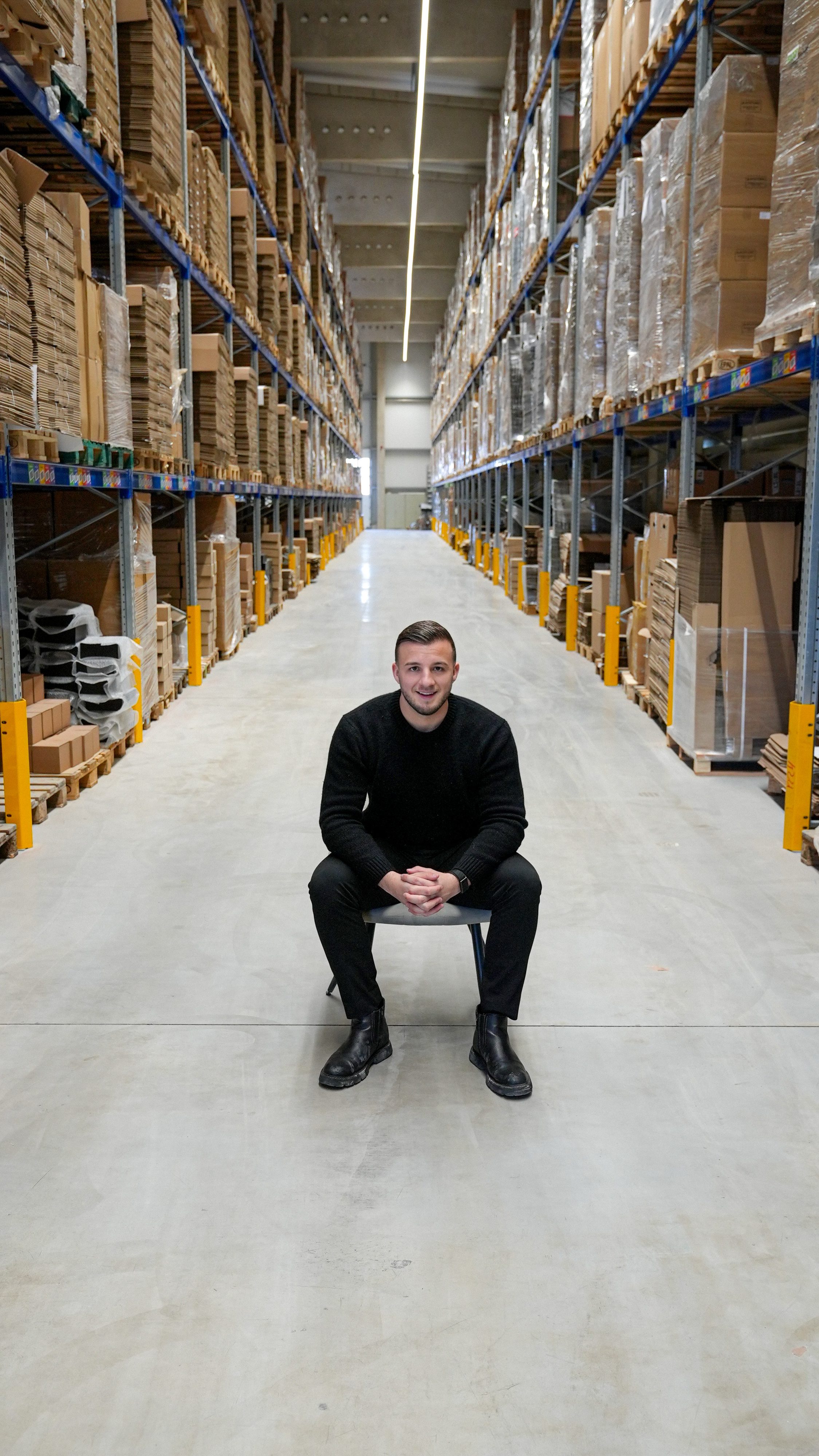
In a nutshell: Leon Michel, CEO of fly fulfillment GmbH, is just 23 years old, leads around 80 employees, and has built a fulfillment company in record time that has already processed millions of orders. With a clear vision, a strong social media presence, and a fresh perspective on processes, he represents a new generation in logistics. But how much real change does this approach contain — and where are the first challenges emerging? This article takes a closer look, combining a sense of new beginnings with a realistic view of growth and market dynamics.
From personal growth to proprietary infrastructure
Leon's path into logistics begins in e-commerce. "I never went through traditional training or studied — it was always learning by doing," he says. He started his first business at 17 in e-commerce: personalized jewelry, in-house production, growing fast. The result: "3–4 laser machines and over 20 employees."
Production and shipping grew increasingly complex, and order volumes rose rapidly. "At some point we had over 1,000 orders a day, and then requests started coming in from competitors," he explains. What began as an in-house Solution for a growing business evolved into a standalone company. Today, Leon runs fly fulfillment GmbH with around 80 employees and processes five-figure order volumes daily. The logistics operation grew organically out of practice and was closely tied to the day-to-day challenges of e-commerce. That understanding remains a central part of his entrepreneurial approach to this day. "I still look at everything through an e-commerce lens," says Leon.
This mindset runs through many of his decisions. Having experienced first-hand how customers think and what they expect, you develop a different instinct for processes. It's less about internal structures and more about how workflows function for the customer and hold up in everyday use.
Speed as a principle, not an exception
Competing against larger, established vendors, Michel aims to differentiate primarily through accessibility and response times. His approach is to stay closer to customers' day-to-day operations and respond to requests faster. This ambition is also evident in customer service. "If we don't deliver a proper response within 3 hours, customers can hold us accountable."
That may sound highly ambitious at first. At the same time, it reflects a development that has long since become reality in many areas. Customers today expect fast responses, regardless of industry or company size. In e-commerce especially, where processes run on tight schedules, this speed becomes a decisive factor. "We currently work 6 days a week and will be scaling up to 7," Leon adds.
A fresh perspective on the industry: where things can work better today
Leon's view of the industry is sharp and hits the mark in several areas. He identifies three problem areas at established logistics companies:
1. Lack of digitalization
"You've got 20 people sitting in the back office doing unnecessary work."
His counter-model: automation through AI, lean processes, less overhead.
2. Poor customer support
"Customers wait two days for a response."
His Solution: "Because I look through an e-commerce lens, I know that e-commerce operators work 7 days a week around the clock. So we offer 7-day customer support accordingly."
3. E-commerce thinking becomes the standard
"At the old-established firms, you usually find logistics people who have no idea what e-commerce looks like today."
His view: logistics is closely tied to the day-to-day business of brands and must align with their pace and expectations: "We speak the same language."
Visibility as a strategic lever
Beyond operational matters, Leon places strong emphasis on something that has long played a secondary role in logistics: personal visibility as a CEO via LinkedIn, Instagram, and TikTok. "People buy from people," he says. "Sure, it's marketing for my business," he adds openly. In saying this, he articulates something many entrepreneurs are only now learning: visibility is a tool.
With this conviction, Leon is deliberately building his personal brand. Supported by an agency, he invests several thousand euros each month in content that provides insights into his daily life and his company. The results show quickly. "We used to get maybe three to five inquiries a month — now it's 40 to 50," Leon reports proudly.
This development is remarkable because it shows how significantly decision-making processes are shifting even in the B2B space. Trust is no longer built solely through references or a long market presence, but increasingly through visibility and approachability.
At the same time, the young CEO remains reflective on this topic. "The challenge is ultimately competing against all the investor-backed mega-companies. We simply need to find our niche."
Between ambition and reality
"I'm building Germany's largest logistics empire." As clearly as the vision is stated, the more interesting question is how the company will continue to evolve — because as it grows, the demands on it will inevitably change as well.
What Leon is building right now is compelling. The speed, the clarity in communication, and the understanding of modern marketing mechanics are sending signals the industry can benefit from.
Yet Leon also speaks very openly about the first growing pains: "I'm not in the warehouse every day anymore — I simply can't be. I spend almost all my time in meetings now."
As the company grows larger, internal complexity increases, and so does the challenge of translating these approaches into sustainable structures. Because in the end, it's not the speed of the start that matters — it's the stability of the system.
Scaling is not content
A growing company needs more than reach.
What is already becoming clear, however, is a shift in the way logistics is conceived and communicated. More pace, more visibility, more proximity to the customer. For established companies, there is an opportunity in this. Not everything needs to be new

Did you find this article helpful?
Die besten Fulfillment-Dienstleister für E-Commerce 2025 / 2026
Welche Fulfillment-Dienstleister überzeugen wirklich im E-Commerce? Unser Vergleich 2025/2026 basiert auf echten Nutzerbewertungen.
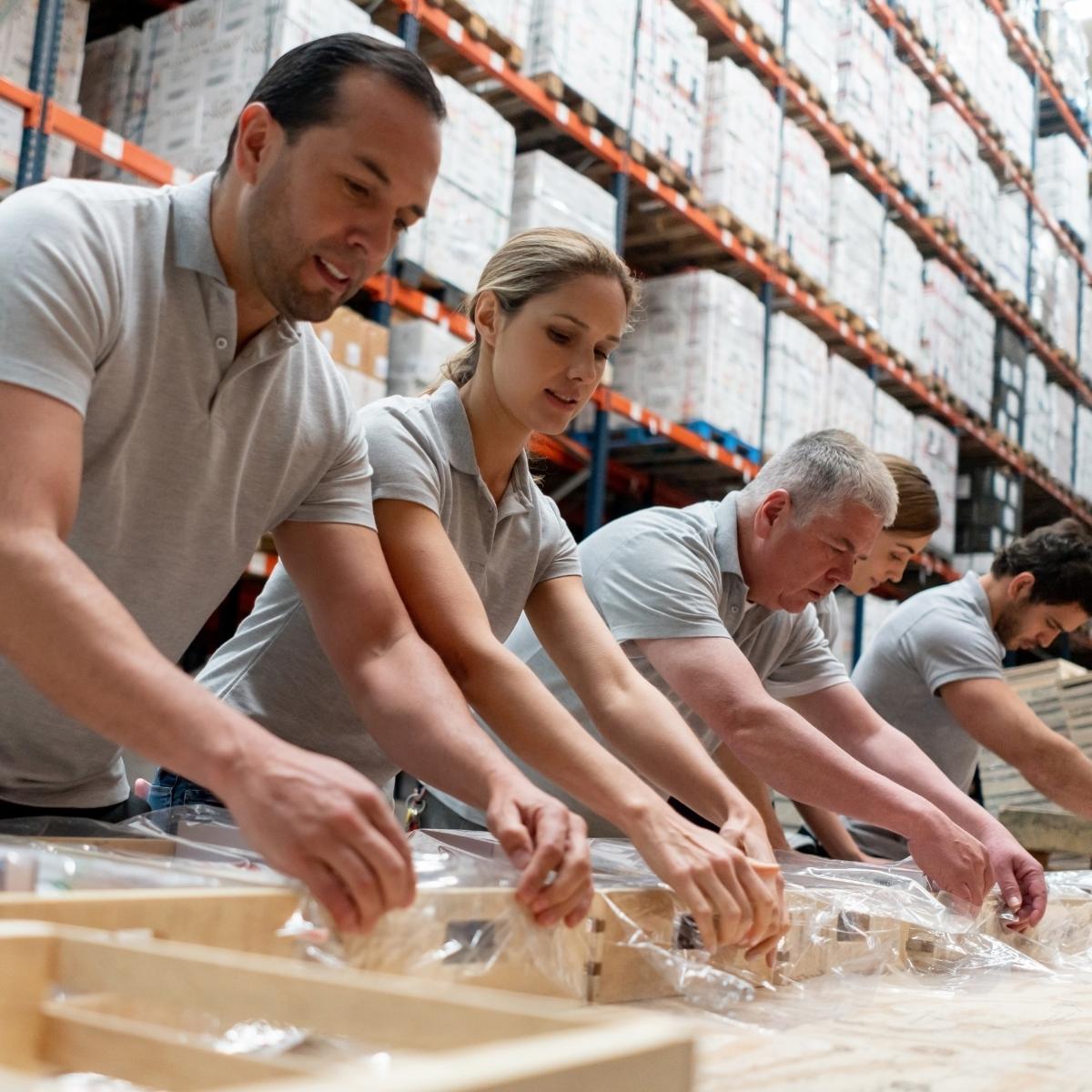
Black Friday and Its Impact on the Logistics Industry
Shopping ecstasy for some, logistical challenge for others.

From Excel Chaos to Scalable Fulfillment – Answers from the even Webinar with storelogix & Cella
Covering the most interesting questions on configuration, updates, and go-live speed.
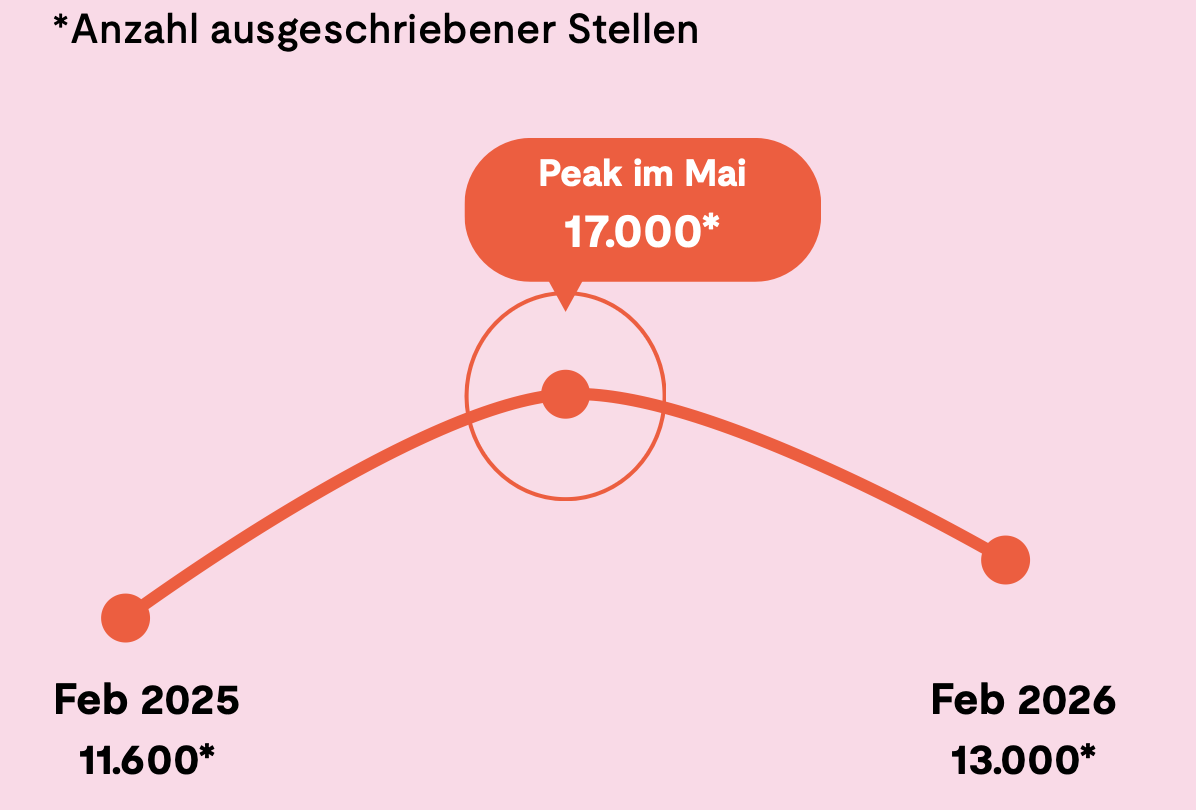
Labour Market 2025/2026 Comparison
Warehouse workers in focus - a data-driven analysis.