


Minimum Wage Increase Confirmed: What It Means for Logistics
A strategic turning point that requires timely action on staffing, costs, and location decisions.
In a nutshell: Rising energy prices, labor shortages, pressure to digitalize — and now a newly confirmed increase in the statutory minimum wage. What does this development mean for an industry where many employees have historically earned just above the minimum wage? How should companies respond — implement only the legal minimum or strategically pay more? And will logistics operations remain in Germany, or will processes shift abroad?
More money for many — and higher costs for businesses
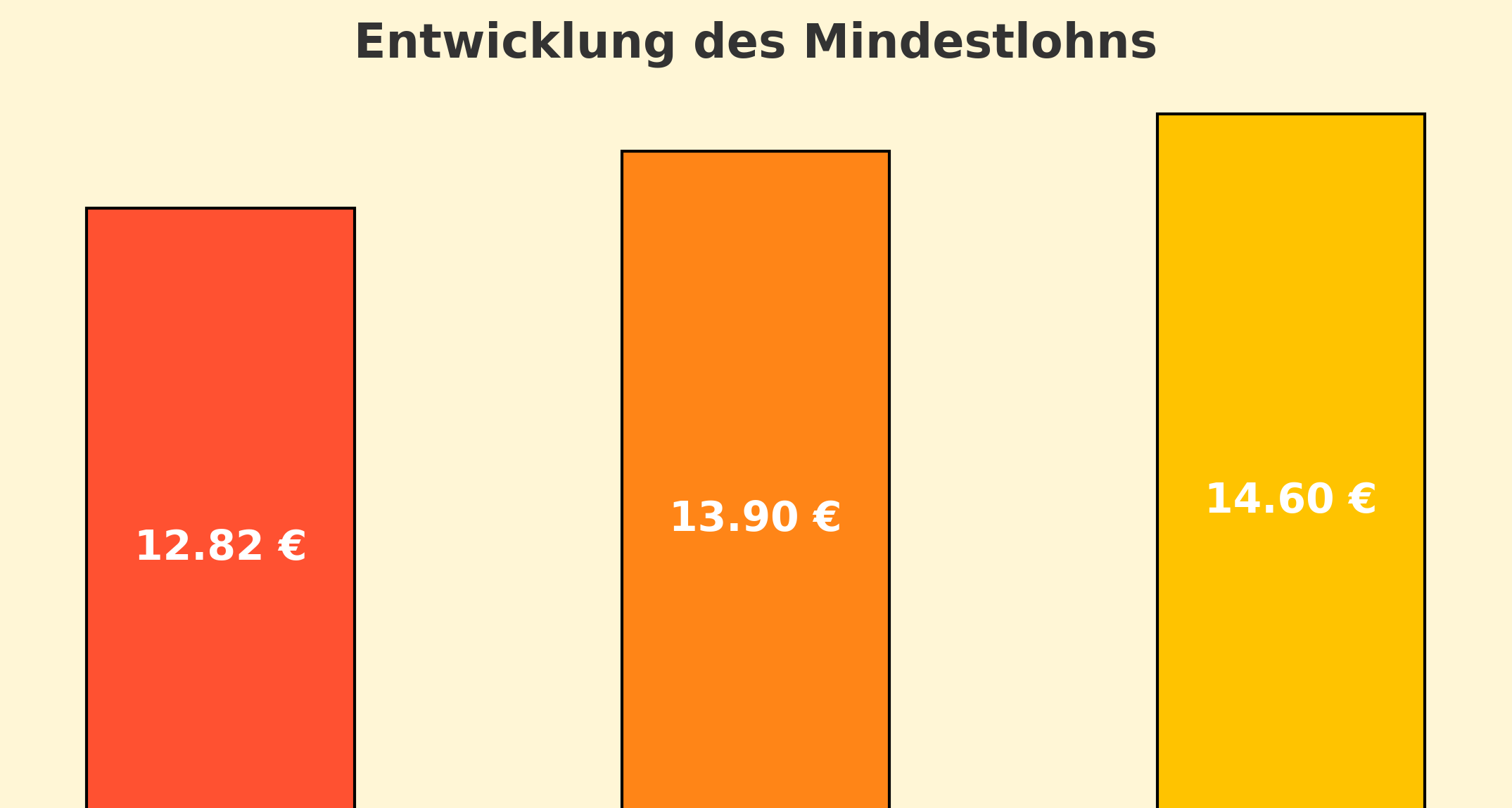
Since January 1, 2025, the minimum wage in Germany stood at €12.82 per hour. It is now confirmed: the minimum wage, currently at €12.82, will be raised again. The Minimum Wage Commission has decided that the statutory hourly rate will increase to €13.90 on January 1, 2026, and will be raised further to €14.60 on January 1, 2027. For the first time, the adjustment is aligned with a target of 60% of the median wage — bringing the €15 mark within reach in the medium term.
For employees in warehousing, transport, and order picking, the increase is officially confirmed good news: more money at the end of the month, greater protection against exploitation, and greater recognition. Especially in times of high living costs, this sends an important signal.
For businesses, however, it represents a tangible burden:
- Higher labor costs with unchanged margins
- Necessary adjustments to payroll, employment contracts, and time tracking
- Pressure on service pricing, particularly for smaller or low-margin operators
Many companies will need to act in order to manage the transition both organizationally and financially. And some should even ask themselves a fundamental question: Is the statutory increase enough, or does paying even more make strategic sense? For current salary ranges in the German logistics industry, check out our salary statistics overview.
Paying above the minimum wage – worthwhile or risky?
The confirmed minimum wage increase is far more than a wage policy adjustment — officially decided on June 27, it is now being implemented. It is becoming a strategic turning point for the entire logistics industry. One thing is clear: this increase is considerably larger than previous ones.
Arguments for paying above the minimum wage:
- Employee retention & lower turnover
Paying more signals appreciation. The result: fewer departures, lower recruitment costs, more stable teams. - Competitive advantage in talent acquisition
Logistics competes with retail, healthcare, and hospitality for the same pool of applicants. A more attractive hourly rate can become a decisive advantage, especially during off-peak hours and staffing bottlenecks. - Planning certainty for the future
The minimum wage rises regularly. Companies that pay a little more today will need to make fewer rushed adjustments tomorrow — and gain structural stability in the process. - Stronger employer brand
Fair pay strengthens the brand — both internally and in the talent market. This can also be leveraged positively in public discourse.
When is restraint the right approach?
Not all companies can or should take this step:
- For smaller companies with limited financial resources, every cent counts: even minor wage increases can determine whether they win a contract or not.
- Subcontractors in the transport sector are already under massive price pressure from large clients — leaving little room for additional pay increases.
- A quick calculation:
€0.50 more per hour for 100 full-time employees = approximately €90,000 in additional costs per year.
Employees can also be retained and motivated without higher base wages.
Companies that cannot or do not wish to pay above the minimum wage can focus on targeted supplementary incentives. Further suggestions for non-monetary benefits can be found in this blog post.
Examples:
- Attendance or performance

Did you find this article helpful?

Why feedback conversations with operational employees are indispensable
Why feedback and development conversations are also crucial in operational teams.
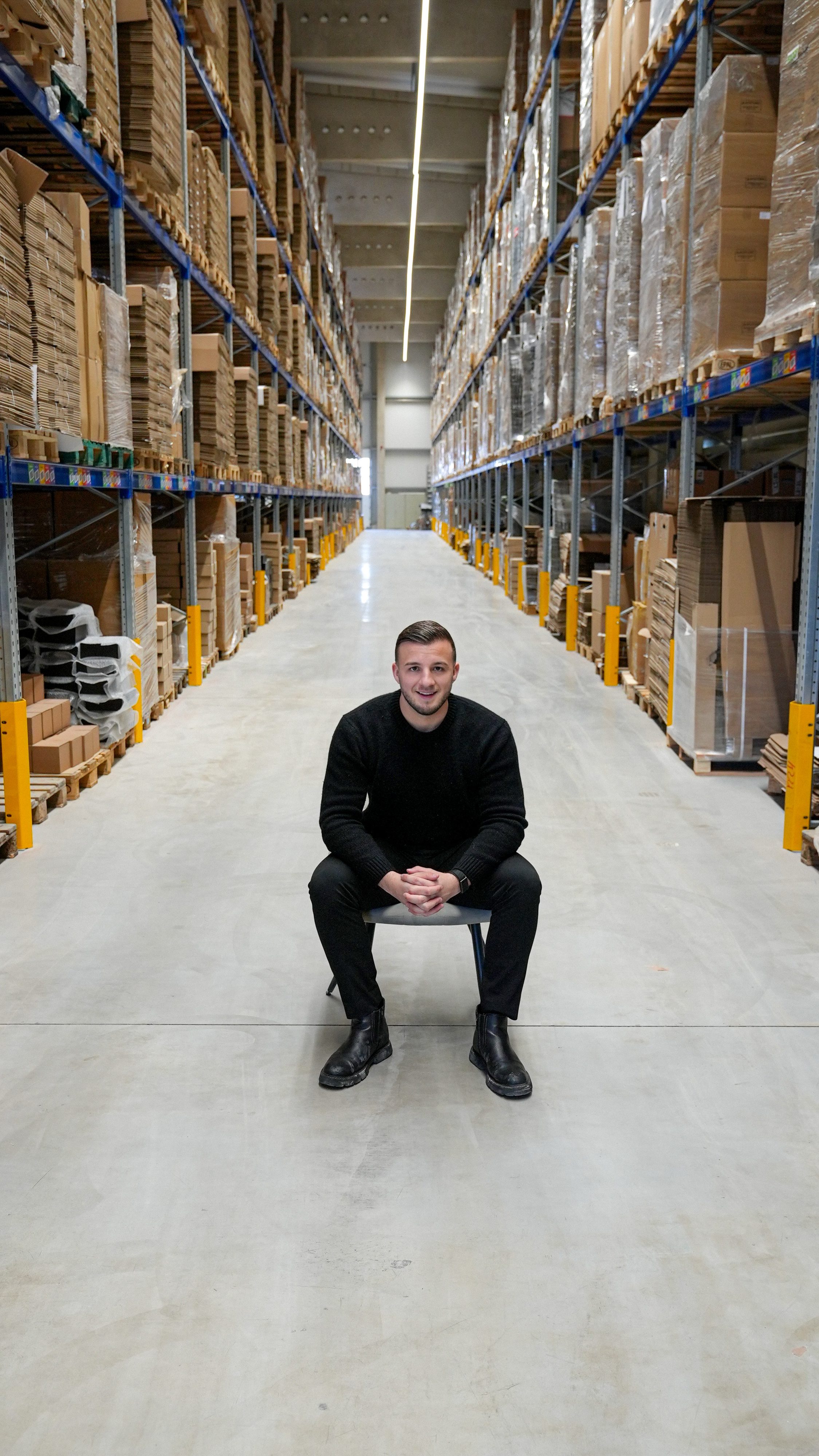
"I'm building Germany's largest logistics empire"
How a young founder is rethinking logistics - with Leon Michel, CEO of fly fulfillment GmbH.

Sustainability and Logistics – A (Beginner's) Practical Guide to Circular Economy for Logistics
The future of logistics is no longer a straight path — it's a circle. This practical guide helps you take your first steps into the loop.
Die besten Fulfillment-Dienstleister für E-Commerce 2025 / 2026
Welche Fulfillment-Dienstleister überzeugen wirklich im E-Commerce? Unser Vergleich 2025/2026 basiert auf echten Nutzerbewertungen.