


Mobile Transport Robots: Relevance to Challenges
Are AMRs and AGVs revolutionizing modern logistics?

In a nutshell: Mobile transport robots such as AMRs and AGVs are designed to improve internal logistics processes through automated material transport. AMRs offer flexible navigation capabilities in dynamic environments, while AGVs operate precisely along predefined routes. These technologies can help companies make their logistics operations more efficient and reduce operating costs, but require careful planning and integration with existing systems.
Mobile transport robots are playing an increasingly central role in modern logistics and production environments. These technologies not only increase efficiency and flexibility, but also reduce human error and dynamically adapt to changing operating conditions.
How mobile transport robots work
Mobile transport robots are equipped with a wide range of sensors, cameras and occasionally lidar systems that enable them to move autonomously through their environment. Unlike their predecessors, AGVs, they do not require fixed tracks or physical guide rails, but instead use advanced algorithms to plan and optimize their routes in real time.
Types of mobile transport robots
- Autonomous Mobile Robots (AMRs): These robots are highly flexible and can adapt their routes independently. They are ideal for complex environments where obstacles and operating conditions change frequently.
- Automated Guided Vehicles (AGVs): AGVs follow fixed paths defined by physical markers or wires embedded in the floor surface. They are particularly well suited to environments with stable and predictable workflows.
Who benefits most from mobile transport robots?
Mobile transport robots are especially worthwhile for companies that:
- Experience high variability in order sizes and delivery requirements.
- Require regular adjustments to production or warehouse layouts.
- Face significant seasonal fluctuations that demand flexible staffing adjustments.
- Aim to significantly reduce workplace accidents and damage caused by manual transport.
They are less suitable for companies that:
- Have very small operational footprints where deploying such robots would not deliver a significant efficiency advantage.
- Perform simple, repetitive tasks that can be fulfilled more cost-effectively through traditional methods or less advanced automation technologies.
- Operate in industries where the investment costs for such technologies are not justified by the expected benefits.
Challenges in implementing mobile transport robots
While integrating mobile transport robots into existing logistics systems offers significant benefits, it also presents a number of challenges that companies must consider:
- High initial investment: The greatest barrier for many companies, particularly SMEs, is the high acquisition cost of mobile transport robots. These costs can put a strain on budgets earmarked for other urgently needed investments.
- Integration with existing systems: Mobile robots must be integrated into existing warehouse management systems and operational workflows. This often requires an overhaul of the IT infrastructure and can bring considerable technical challenges.
- Infrastructure compatibility: In many older facilities or those not designed for automation, the physical infrastructure can pose a challenge. AGVs, for example, often require special floor markings or embedded guidance systems that must be installed and maintained.
- Staff training: Employees must be trained to work effectively with the new systems. This covers not only operating the robots, but also monitoring the systems and intervening in the event of malfunctions.
- Employee acceptance: The introduction of robots can cause anxiety among employees, particularly regarding job losses or increased technical demands. It is important for companies to invest in change management and employee engagement to ease these transitions.
- Maintenance and repairs: Mobile transport robots require regular maintenance and, in the event of failures, can cause significant operational disruptions. Companies must therefore invest in appropriate technical support structures.
- Legal and regulatory requirements: Depending on the region, different regulations regarding the safety and operation of autonomous systems may apply. Companies must ensure they comply with all relevant legal requirements.
Summary
Despite the many benefits that mobile transport robots offer, companies must carefully weigh the challenges outlined above. Successfully implementing these technologies requires not only financial investment, but also strategic planning, training and ongoing adaptation to operational workflows and the evolving technology landscape. By overcoming these challenges, however, companies can achieve significant improvements in efficiency, safety and competitiveness.
Conclusion
Mobile transport robots, particularly AMRs and AGVs, offer forward-looking Solutions for automating internal transport tasks. They enable companies to

Did you find this article helpful?

Robotic Piece Picking: Components, Technologies, and the Difference Between Cobots and Industrial Robots
Robotic Piece Picking closes the final gap in logistics automation and reveals which technologies make the difference.
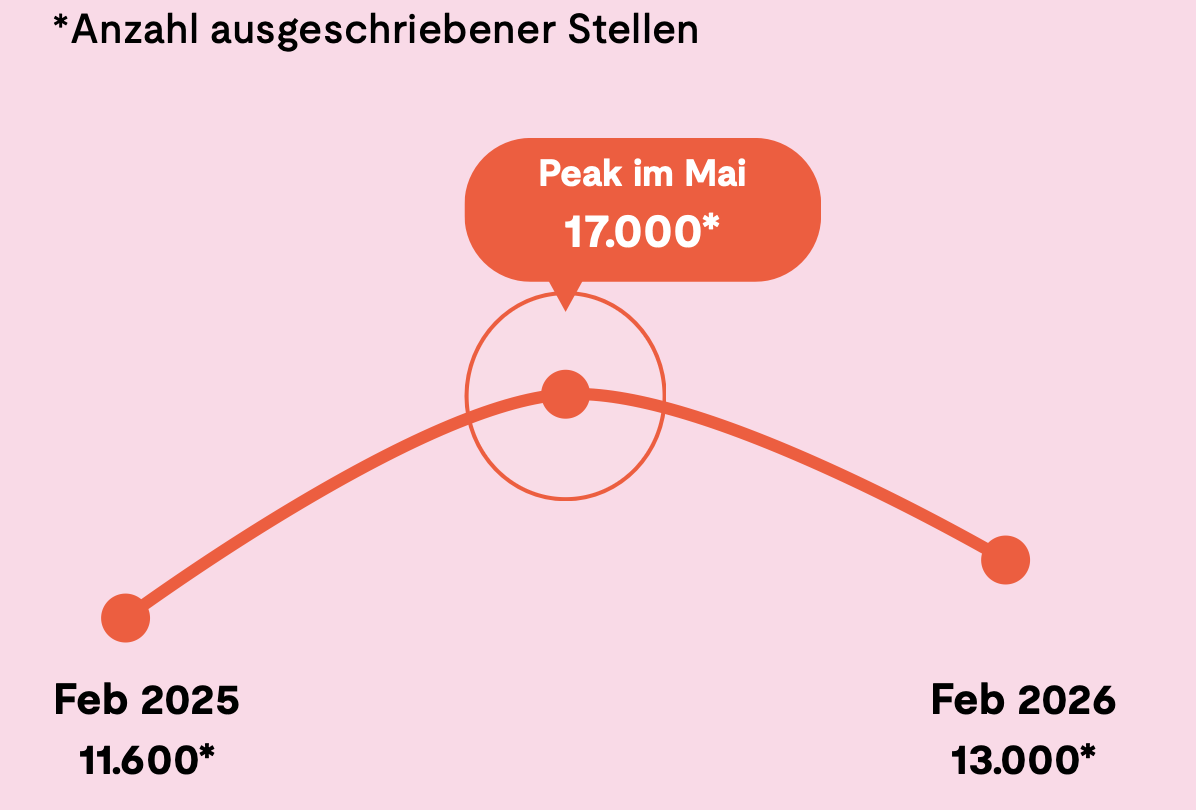
Labour Market 2025/2026 Comparison
Warehouse workers in focus - a data-driven analysis.

Leadership in Modern Logistics
Living and passing on growth – an interview with Lorena Garcia from AUTODOC.

Planning Shuttle Warehouse Systems the Right Way – Answers from the even Webinar with RocketSolution
Shuttle warehouses are often planned based on gut feeling – yet it is concrete metrics that determine success or miscalculation.