


Sustainability and Ergonomics: Small Measures with a Big Impact
Why social aspects play a crucial role in packaging.

In a nutshell: Sustainability in packaging is more than recycling – it also has a social dimension. A lack of ergonomics in the packing department leads to health problems and high absenteeism. In this article, I explain why simple measures such as height-adjustable tables and ergonomic tools not only improve working conditions, but also make sound business sense.
A challenge that is often overlooked
When most people think about sustainability in packaging, they immediately think of recycling, less plastic, or more efficient processes. These are undoubtedly important topics. But one aspect is frequently forgotten: the social factors. Because sustainability is more than ecological and economic – it is also social. And this is often where the greatest potential for improvement lies, especially when it comes to working conditions in the packaging department.
A concrete case study
A company I worked with recently was facing a major problem: high absenteeism in the packing department. The symptoms were clear: tendinitis, back problems, general exhaustion. The cause? No ergonomic design of the packing workstations.
One employee told me: "It looks like it did 20 years ago here. Tables that don't fit anyone properly, and tools that do more harm than good. Tearing off the packing tape is a nightmare. After a few hours, everything hurts." This feedback was alarming, but unfortunately not an isolated case.
What is standard in the office is often missing in the packing department
In offices, height-adjustable desks and ergonomic chairs have become standard. So why not in the packaging department as well? Occupational safety and ergonomic working practices are just as important here. Height-adjustable packing tables, easily accessible materials, and tools that reduce strain – all of this should be standard. Yet awareness or resources to implement these basic improvements are often lacking.
Why ergonomics is more sustainable than you might think
Ergonomic workstations are not only good for employees, but also for the company. Because when employees' health suffers, so does productivity. Long-term absenteeism costs money – in fact, far more than investing in better workstations ever would. On top of that: Healthy and satisfied employees work with greater motivation, which has a direct impact on quality and efficiency.
The small things make the difference
Sometimes it is the small changes that make a big difference. A high-quality, smooth-running tape dispenser can significantly reduce the strain on wrists. A well-thought-out arrangement of materials saves unnecessary trips and movements. And height-adjustable packing tables ensure that every employee can work in the posture that suits them best.
Sustainability is also social
Sustainability does not end with the packaging itself. It also encompasses the people who work with it every day. Ergonomic and safe working conditions are a central component of a sustainable packaging strategy. Because only when ecological, economic, and social aspects are given equal consideration can sustainability truly be holistic.
Find out in this article why the first impression of packaging matters and how it influences customer satisfaction.
Looking for the right Solution for your logistics? Here you'll find the comparison platform that makes your search easier.

Did you find this article helpful?
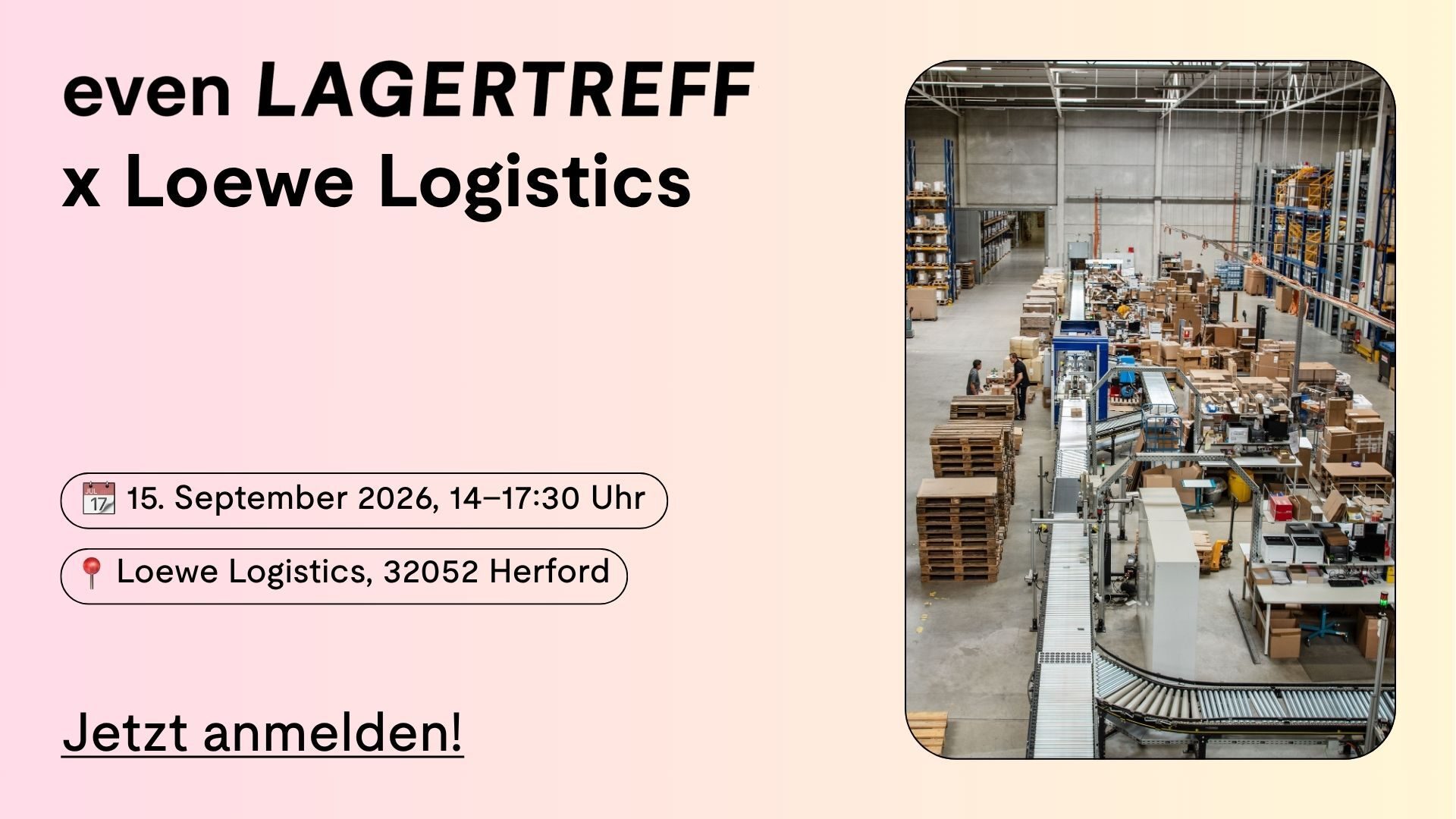
Fulfillment in Practice: Warehouse Meetup at LOEWE Logistics & Care
B2B and B2C fulfillment live in operation – on September 15 in Herford. Register now.
Sustainability and Logistics – A (Beginner's) Practical Guide to Circular Economy for Logistics
The future of logistics is no longer a straight path — it's a circle. This practical guide helps you take your first steps into the loop.

"Automatically pack better?" Optimization and automation in the e-commerce warehouse
About opportunities and savings potentials of automated packaging – even with medium shipping volumes.
Pay Transparency in Logistics: What's Coming for Fleet and Warehouse Operations
On the new EU directive, its concrete impact on logistics companies, and why waiting is the most expensive option.