


Ramadan in Logistics: How Companies Can Make Their Operations More Inclusive
On understanding and consideration in everyday operations, and how small adjustments during Ramadan can bring diversity to life in meaningful ways.

In a nutshell: Ramadan is a significant time for many employees in logistics – and presents companies with the challenge of making their operations more inclusive. With small adjustments to shift planning, open lines of communication and a culture of mutual respect, companies can not only show consideration but also actively promote diversity. Read on to find out what this can look like in practice and why it's worth the effort.
Logistics companies are often international workplaces where people from different countries and cultures work side by side. Diversity is a strength, but it also brings with it a variety of needs and traditions. Ramadan therefore affects not just individuals, but entire teams and shift schedules. By consciously taking these cultural differences into account, companies can create a harmonious working environment and enhance their appeal as an employer.
Ramadan is a meaningful time for many employees in logistics. During this period of fasting, which lasts from sunrise to sunset, daily rhythms, energy levels and working habits all change. To ensure smooth operations at logistics centres while simultaneously creating a respectful working environment, companies can adapt their processes accordingly.
Ways to Adapt During Ramadan
1. Flexible Working Hours and Shift Planning
For employees who fast during the day, it makes sense to offer earlier or later shift times. If Ramadan falls in summer, tasks involving significant physical exertion should, where possible, be scheduled during the cooler parts of the day to minimise strain.
2. Adjusted Break Arrangements
Longer breaks before sunset allow fasting employees to prepare for breaking their fast. There should also be an opportunity to schedule recovery time after Iftar.
3. Awareness and Communication
Open and respectful communication about Ramadan fosters understanding within the team. Managers and colleagues should be made aware of the particular needs of fasting employees in order to avoid misunderstandings and ensure a harmonious working environment.
It is especially important to actively involve the employees concerned in the planning process. They can offer valuable insights into how workflows can best be adapted without disrupting operations. This not only strengthens team cohesion but also demonstrates appreciation for cultural diversity.
4. Nutrition and Health Management
Companies can support their employees by, for example, providing light, energy-rich snacks after Iftar or setting up rest areas for recovery breaks.
Integration in Everyday Working Life: Small Adjustments, Big Impact
Adaptations during Ramadan are not just a matter of consideration – they are also a sign of appreciation and a lived company culture. They strengthen team cohesion, boost motivation and help ensure that all employees feel respected and supported.
Of course, not every change is feasible in every workplace, but where it is possible, these steps represent an important move towards inclusion and diversity. In logistics in particular, where many cultures work together, this is a meaningful contribution to a successful and harmonious working environment.
Looking for the right Solution for your logistics operation? Click here to visit the comparison platform that makes your search easier.

Did you find this article helpful?
Pay Transparency in Logistics: What's Coming for Fleet and Warehouse Operations
On the new EU directive, its concrete impact on logistics companies, and why waiting is the most expensive option.

The Underestimated Climate Problem in the Warehouse
On sustainability in automated small parts warehouses. An interview with Timo Landener on energy, density and CO₂ in intralogistics.
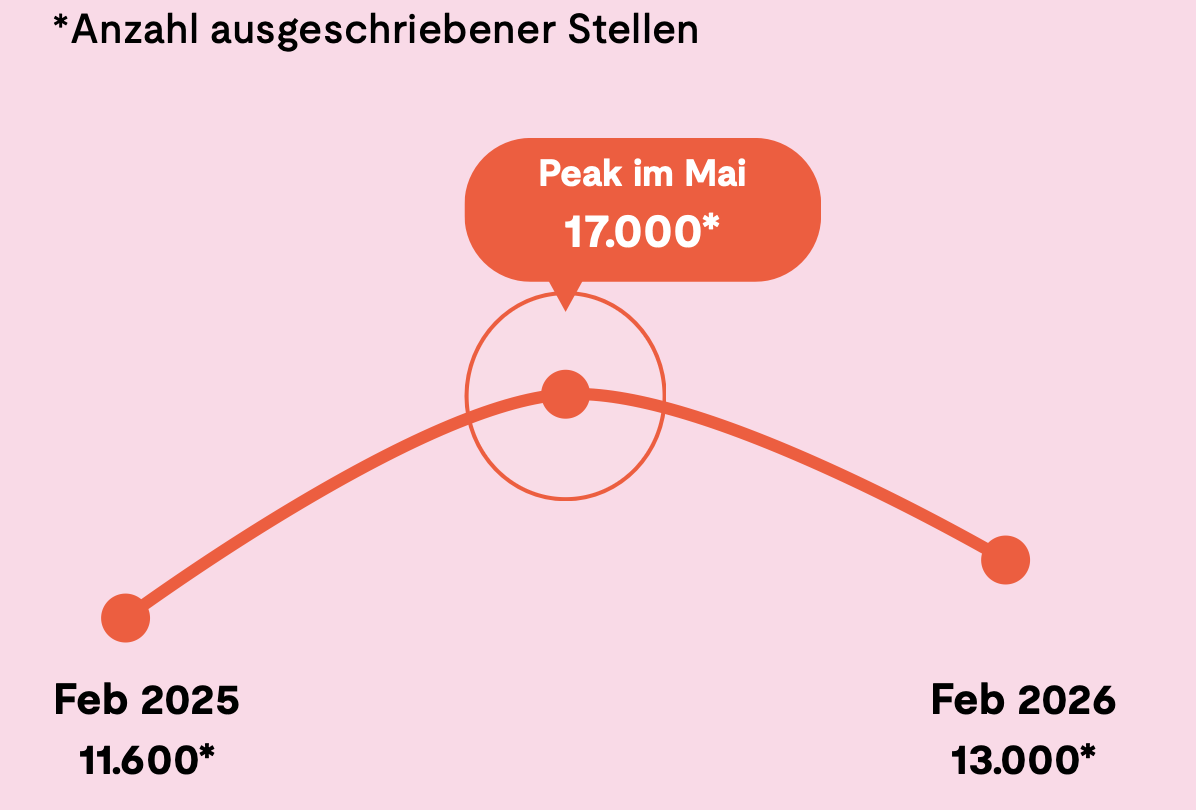
Labour Market 2025/2026 Comparison
Warehouse workers in focus - a data-driven analysis.
Sustainability and Logistics – A (Beginner's) Practical Guide to Circular Economy for Logistics
The future of logistics is no longer a straight path — it's a circle. This practical guide helps you take your first steps into the loop.