


What You Should Know About 3PL and Why It's Worth a Closer Look
Opportunities, limitations and practical tips for anyone looking to outsource logistics.

In a nutshell: 3PL stands for "Third Party Logistics": a model in which companies outsource operational logistics processes such as warehousing, picking, shipping or returns to external service providers. This can enable scaling, make costs more flexible and reduce operational complexity. An e-commerce startup, for example, can launch directly with an external partner – without its own warehouse, without permanent logistics staff. But: the collaboration must be set up professionally, otherwise the Solution quickly becomes a new problem.
What Is 3PL All About?
3PL is not just a buzzword – it's a strategic decision. Companies that outsource part of their logistics to third parties are seeking efficiency gains, better scalability and operational relief. Instead of building their own warehouse, employing staff and developing an IT infrastructure, they draw on the network and expertise of a specialised partner.
These service providers bring established processes, systems and facilities – and often the know-how to organise e-commerce, retail or industrial goods logistics efficiently. For young companies, this can be a powerful growth accelerator. For established players, it is an opportunity to focus on their core business.
What Does a 3PL Concretely Take On?
The services of a Third Party Logistics provider are usually modular in structure. They range from goods receipt through picking and shipping to returns management. A professional 3PL handles the entire operational process: inspection and storage of goods, picking, packing, labelling, shipping and returns processing. Depending on the Vendor, additional services such as kitting, customs clearance or quality control may also be included. Interfaces, dashboards and tracking ensure transparency.
When Is the Right Time for 3PL?
Outsourcing makes sense when internal growth hits spatial, staffing or process-related limits. Typical triggers include sharply rising order volumes, seasonal demand peaks or a shortage of skilled workers. International expansion is also a common moment for 3PL. Many Vendors already have an established network of locations that eases market entry.
For established companies, 3PL can be a way to respond to new developments, test business models or redistribute internal resources.
Benefits and Where They Take Effect
A good 3PL creates real added value. Fixed costs become variable operating costs. Responsiveness to volume fluctuations increases. IT-supported dashboards provide transparency over stock levels and shipment status. Clear KPIs and SLAs safeguard service quality. And: internal complexity decreases, because no in-house logistics processes need to be managed.
But: 3PL Is Not Plug & Play
An external service provider can only perform as well as the setup allows. Common stumbling blocks include inadequate interfaces between the shop, ERP, WMS and 3PL. Without system integration, oversight is quickly lost. Communication problems caused by unclear responsibilities or misunderstandings are also frequent. Errors often arise from poorly maintained master data or a lack of standards in the packing process.
Conclusion: Understanding 3PL Leads to Better Decisions
The decision for or against a 3PL model should not be made on impulse. Those who understand the fundamentals can assess what is possible – and what is not. And those who know which services are truly needed will ask the right questions.

Did you find this article helpful?
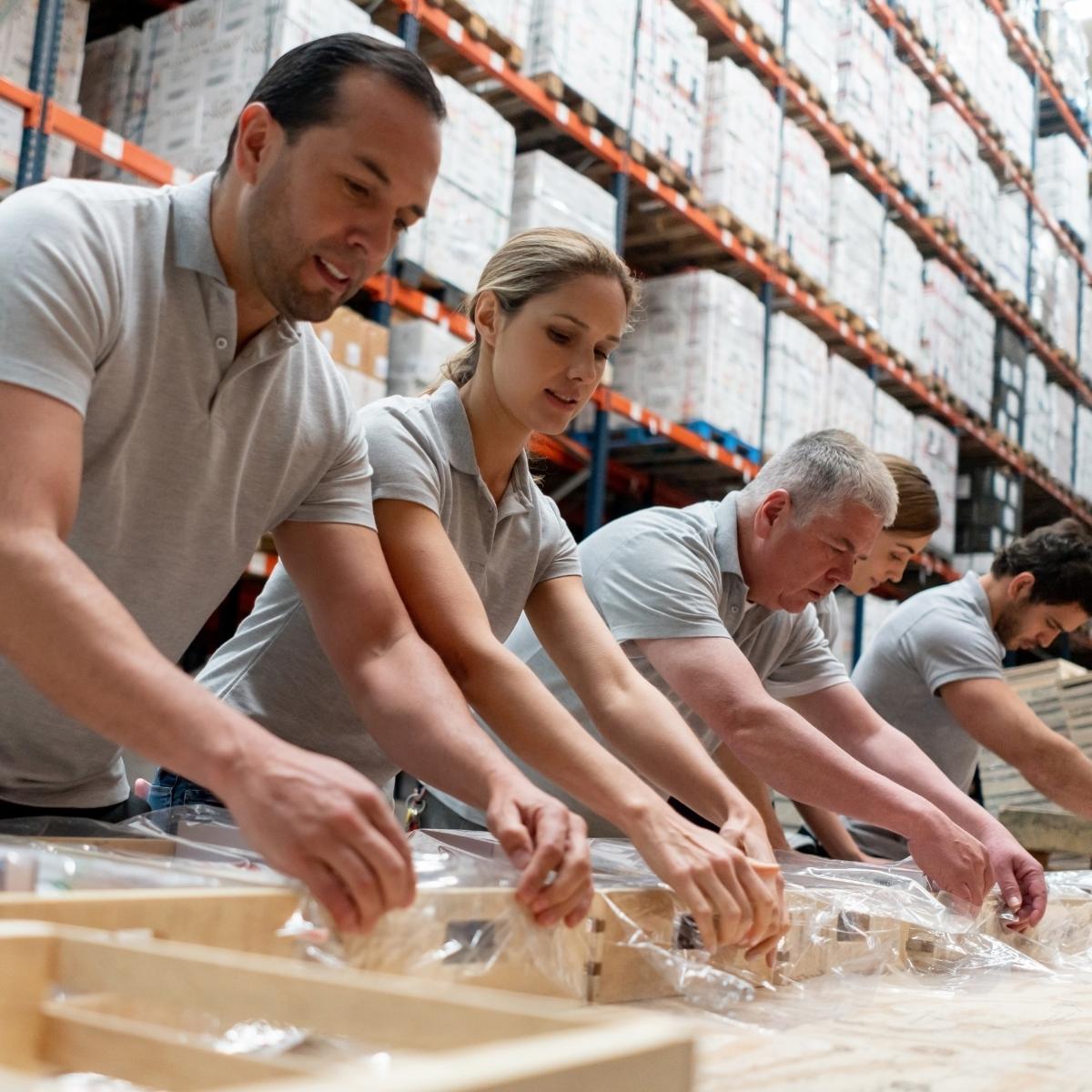
Black Friday and Its Impact on the Logistics Industry
Shopping ecstasy for some, logistical challenge for others.
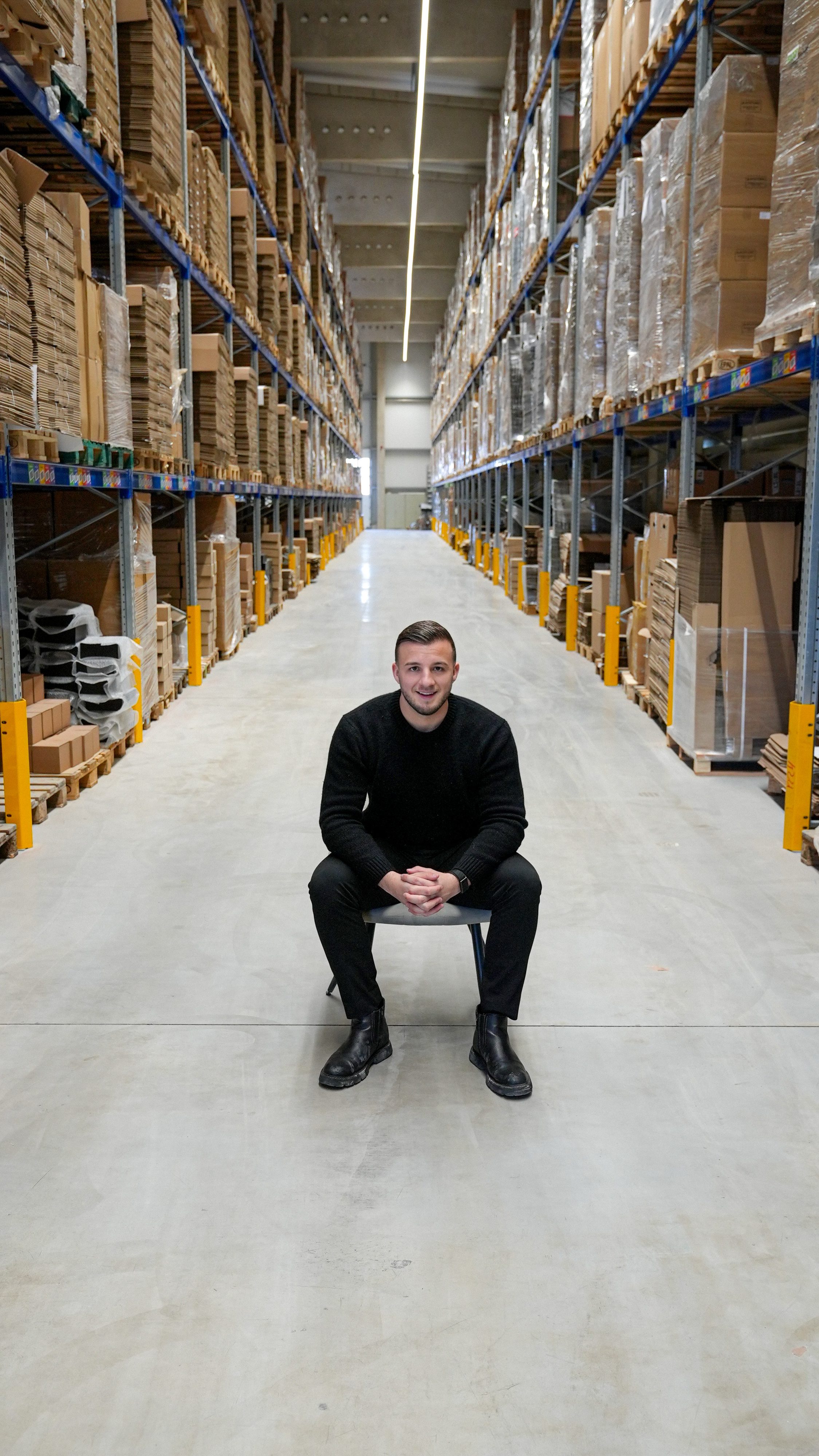
"I'm building Germany's largest logistics empire"
How a young founder is rethinking logistics - with Leon Michel, CEO of fly fulfillment GmbH.
Die besten Fulfillment-Dienstleister für E-Commerce 2025 / 2026
Welche Fulfillment-Dienstleister überzeugen wirklich im E-Commerce? Unser Vergleich 2025/2026 basiert auf echten Nutzerbewertungen.

Invisible Despite Co-Founding
Why logistics needs women and yet continues to overlook them – a conversation with Maria Bussmann from majamo fulfillment.