


Secondhand in the Furniture Industry - with Michael Munder
On challenges and opportunities with the founder of 2nd home.

In a nutshell: Michael Munder, founder of 2nd home, discusses the challenges and opportunities of introducing secondhand concepts in the furniture industry. He explores the logistical hurdles of shipping used furniture, the importance of local service providers for quality assurance, and how technological innovations — particularly artificial intelligence — can make processes more efficient and sustainable.
Secondhand in the Furniture Industry: An Underestimated Potential
While the secondhand market is already well established in the fashion industry, it is still in its infancy in the furniture sector. Michael Munder emphasizes the need to advance sustainable approaches and circular value creation in the furniture industry as well, in order to counter a throwaway mentality. He highlights that used designer furniture can be not only ecologically sensible but also economically attractive.
Logistical Challenges in Shipping Used Furniture
A central obstacle for the secondhand furniture market is the complex logistical requirements. Shipping bulky and often heavy pieces of furniture requires specialized solutions to ensure both cost efficiency and customer satisfaction. Munder explains how 2nd home meets these challenges by partnering with local service providers to guarantee short transport routes and careful handling of the furniture.
Quality Assurance Through Local Partnerships
The collaboration with local service providers plays a decisive role in ensuring the quality of secondhand furniture. Munder explains that these partnerships not only allow the condition of furniture to be assessed before sale, but also enable professional refurbishment. This builds customer trust and increases acceptance of used furniture pieces.
Technological Innovations and the Use of Artificial Intelligence
Another key focus of the conversation is the use of technology to optimize the value chain. Munder discusses how Artificial Intelligence (AI) helps to automate processes, assess the condition of furniture, and optimize pricing. By making targeted use of AI, efficiency gains can be achieved while simultaneously promoting sustainable practices.
Conclusion: Sustainability and Innovation Hand in Hand
The conversation with Michael Munder provides valuable insights into the possibilities of circular value creation in the furniture industry. It becomes clear that sustainable consumption and technological innovation are not opposites, but can in fact complement one another. Companies like 2nd home demonstrate that it is possible to take on ecological responsibility while remaining economically successful.
Curious? Then follow this link to the full episode with Michael:
YouTube: https://bit.ly/3YEuzjg
Spotify: https://spoti.fi/3A7k2E3
Apple: https://apple.co/40iTev9
Want more from 'even it up'?
"After Black Friday comes the next Black Friday" — that's what Kamil Kasprowicz, CEO of Baur Hermes Fulfilment, has to say. Strategies and the right preparation for peak periods are the topic of this episode
Looking for the right Solution for your logistics? Here you'll find the comparison platform that makes your search easier.

Did you find this article helpful?

Nachhaltigkeit und Logistik - Die Circular Economy und Reverse Logistics
Re-Re-Reverse when the economy says “Bo’ selecta”!
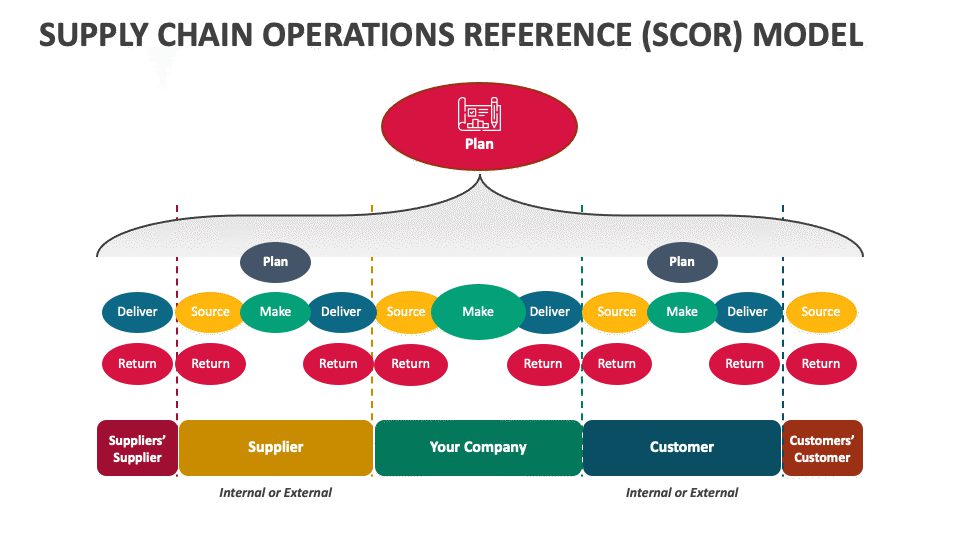
Sustainability and Logistics - Logistics as the Engine of the Circular Economy?!
The supply chain in a circle. What opportunities does this create? And what does it take to get there?
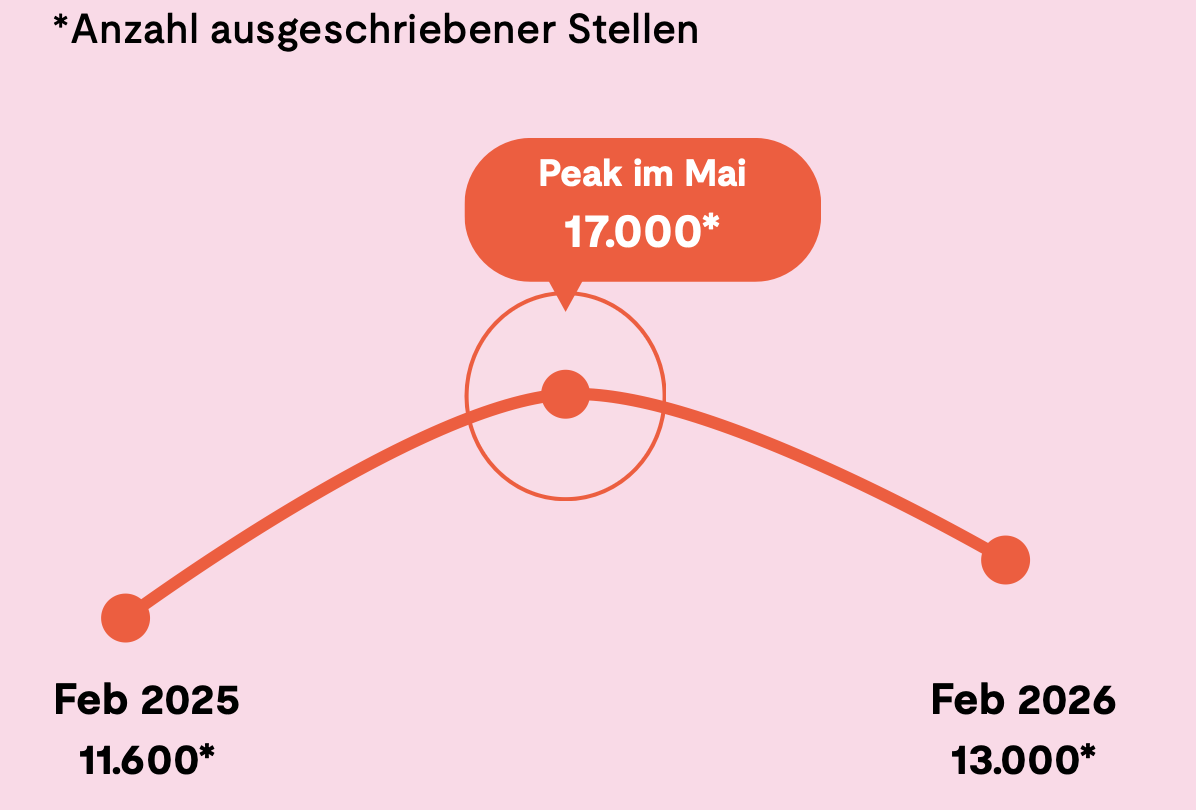
Labour Market 2025/2026 Comparison
Warehouse workers in focus - a data-driven analysis.
Sustainability and Logistics – A (Beginner's) Practical Guide to Circular Economy for Logistics
The future of logistics is no longer a straight path — it's a circle. This practical guide helps you take your first steps into the loop.