


Blonde, 1.60m tall, woman at the wheel – Kira breaks the stereotype
Insights into the life of a long-haul truck driver: An interview with Kira Ölkers.
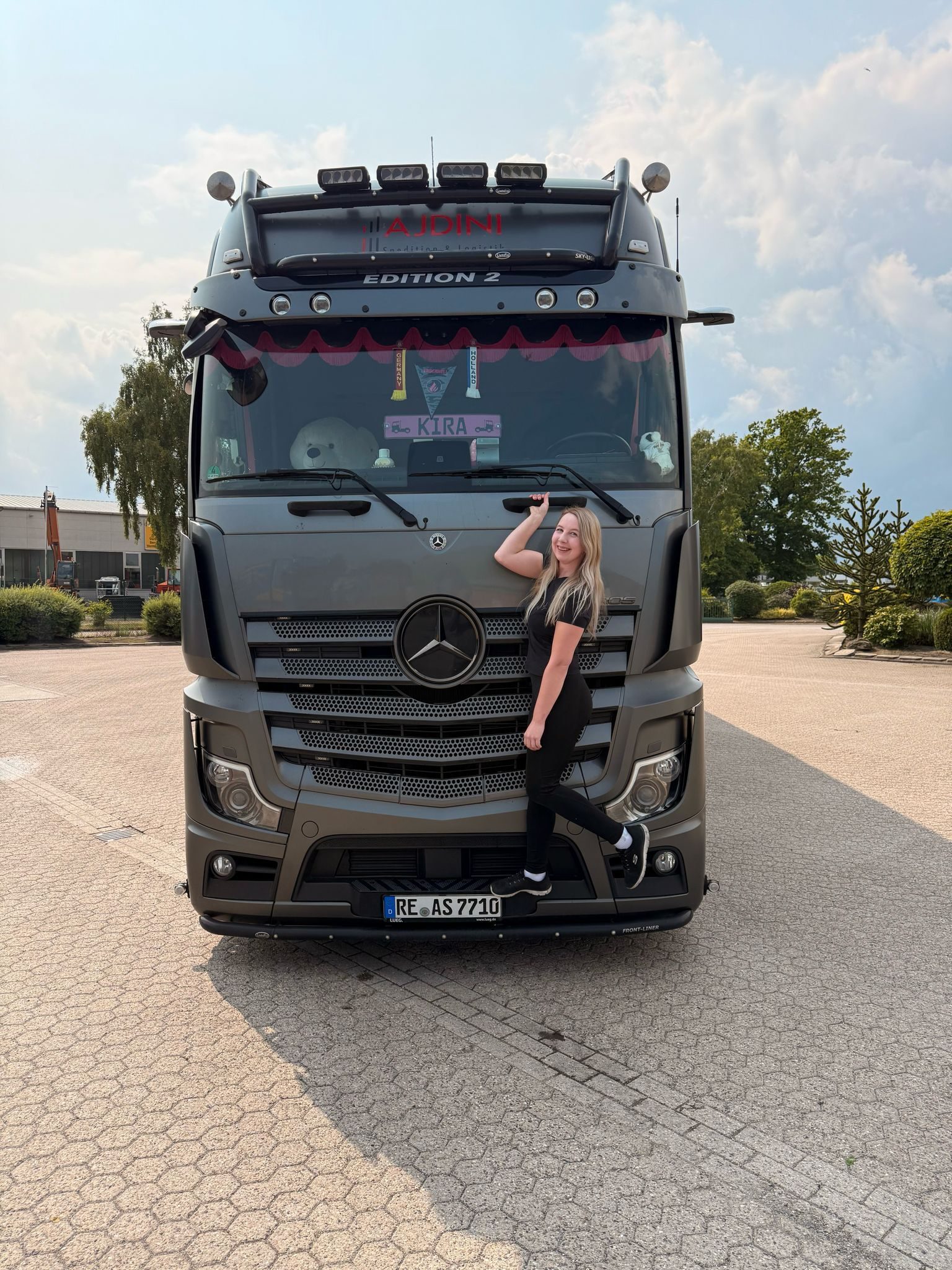
What does it mean to drive 40 tonnes across the country as a young woman? Kira Ölkers gives us an honest, strong and sometimes surprisingly witty insight into her everyday life as a long-haul truck driver – between highway ramps, WhatsApp groups and the digital trucking community. A story about courage, self-determination and the question of what really counts on German roads.
Women power on German motorways
When I arrange to meet Kira for an interview, it quickly becomes clear: This is no one who lets herself be talked down. Kira Ölkers is 28 years old, a long-haul truck driver and loves her job. She drives for a medium-sized premium haulage company called Ajdini throughout Germany and beyond. "Holland has become my second home," she says, laughing.
She's on the road Monday to Friday: one week, one truck, countless kilometres. "That's everyday life for me. I drive curtainsiders and work exclusively in long-distance haulage. Rotterdam, Germany, East-West axis – that's my world."
How to find your place as a woman in a male-dominated field
Of course, we also wanted to talk about what it's like to sit at the wheel of a 40-tonne truck as a woman in an industry that's still heavily male-dominated. Kira doesn't mince her words:
"Of course I've had the odd comment: What are you doing on a truck, you belong in the kitchen. I say quite clearly: I don't need a dick to drive a truck."
Such statements hit hard. Kira faces prejudices with self-confidence, but also with a healthy dose of realism. "Of course people stare. I'm blonde, 1.60 metres tall, so people do ask whether I can actually do it.
But then I reverse into the loading bay from the right – and it's spot on." She explains to me that this is a rather challenging manoeuvre, as the majority of drivers normally use the left side for docking.
Safety as a woman at rest stops
One topic that was personally important to me: Does Kira feel safe as a woman at rest stops at night?
"I do look carefully at where I park. My boss also pays attention to that. If I do feel unsafe, I call someone to accompany me on the phone when I walk to the petrol station."
People in the trucking community also look out for each other: "Even colleagues from Poland or Romania are very attentive when I'm walking around – we're like a small family."
Organisation on the road: Between WhatsApp and dispatch
I found it particularly interesting how her everyday life is organised. While many companies work with tablets and software solutions for order planning, Ajdini uses a WhatsApp group: pragmatic and direct.
"All the drivers, all the dispatchers and even the boss are in there. It's quick, direct and you know who else is on the road."
Kira appreciates this type of communication, also because she receives a lot of support through it. "If I get stuck somewhere, I write in: Hey folks, do you know this customer? And then someone helps. That's community in action."
Alone, but not lonely: The social aspect on tour
For me personally, interaction with colleagues at work is essential. So I wonder how Kira manages this during her tours. Does she feel alone in everyday life?
Despite the many hours alone in the cab, Kira doesn't feel lonely, she emphasises. "I have my boys. We talk a lot on the phone, exchange ideas. Sometimes we even plan our evening together at a rest stop." It's not just about work-related topics, but also about everyday things you just want to share, like with colleagues in the office, only on the motorway.
A particularly interesting point is the digital networking among drivers. Kira tells me about "Truckhell", a community app for truck drivers. There you can not only see who's currently where, but also actively exchange ideas: about routes, customers, traffic jams or simply life on the road. "A lot of girls write there too. That's pretty cool, because you know: I'm not alone out there," says Kira.
This form of digital solidarity replaces the classic break room for many. Problems are shared, solutions found together, regardless of whether you know each other personally or not. "I've already met some people there who I regularly write to. You support each other, laugh together, get annoyed together – that's worth its weight in gold," she says.
And when she needs some peace and quiet?
"Music is always playing. I make music myself, which really helps me. And if it's been stressful, I treat myself sometimes – order something via Lieferando or go out to eat."
With a microwave, a TV and a community in her pocket, Kira often designs her evening just as comfortably as other people in their living room, only with a truck panorama.
What really annoys on German roads
Kira on the biggest problems on German roads:
Lack of parking spaces: "That's the biggest problem. Why do we need 100 car parking spaces for people who just need a quick toilet break, but only 10 truck spaces for drivers who have to spend the night there?"
Sanitary facilities: "I have a whole collection of SANIFAIR vouchers. I think toilets should be free for all truck drivers."
Construction chaos: "Many bridges are closed, the diversions are overcrowded. That costs nerves, time and money."
##
What needs to change: An appeal to politics and society
Despite all her passion, Kira knows: The profession has an image problem. And she has clear demands:
- More parking spaces and clean sanitary facilities
- Fair pay with pension contributions on expenses
- Recognition by politics and society
"I don't want to be a number plate. I want to be seen as a person. And fortunately I've now found a company where that's the case."
Why she loves her job
Finally, I ask Kira why she loves her job so much. Her answer is honest, direct and shows why professional truck driver is not just a job, but often a vocation:
"I'm my own boss. I see so much of Europe. I have friends in Switzerland, in Holland. It's not just work, it's a way of life."
When the asphalt tells stories – what Kira's everyday life shows us
After the interview with Kira, I'm impressed. By her courage, her clarity, her humour. And by the community that has been built up among truck drivers – digital, human and supportive.
Perhaps Kira's story will help to inspire more young people, especially women, to pursue this profession. And perhaps it will also give some decision-makers food for thought.
Because one thing is certain: Without people like Kira, it won't just be traffic that grinds to a halt in Germany soon, but the whole show.
Looking for a suitable Solution for your logistics? Here you'll find the comparison platform that makes your search easier.
Do you have a story to tell?
Do you work in the industry, deal with logistics or accompany people who work in it? We're looking for real perspect
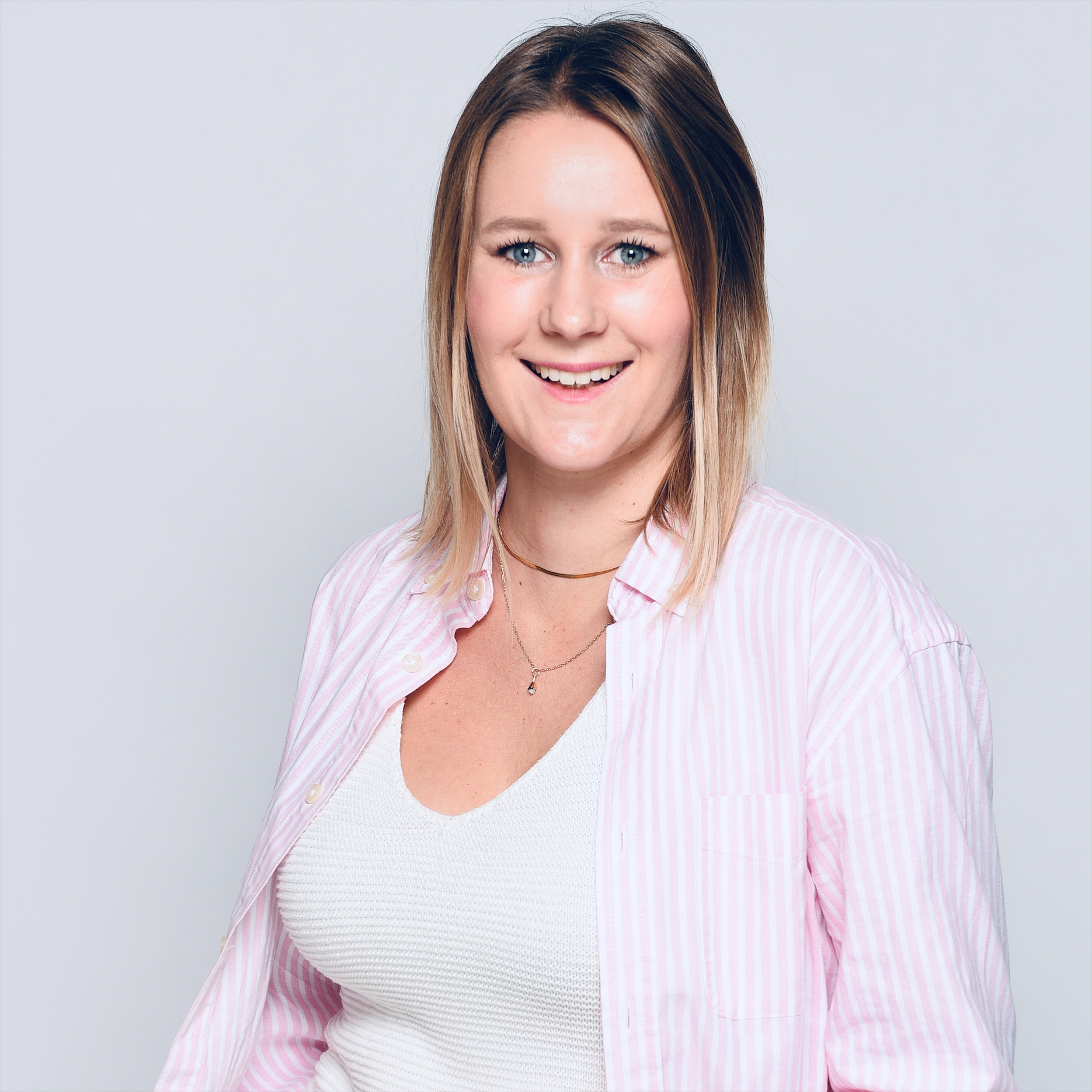
Did you find this article helpful?

Leadership in Modern Logistics
Living and passing on growth – an interview with Lorena Garcia from AUTODOC.
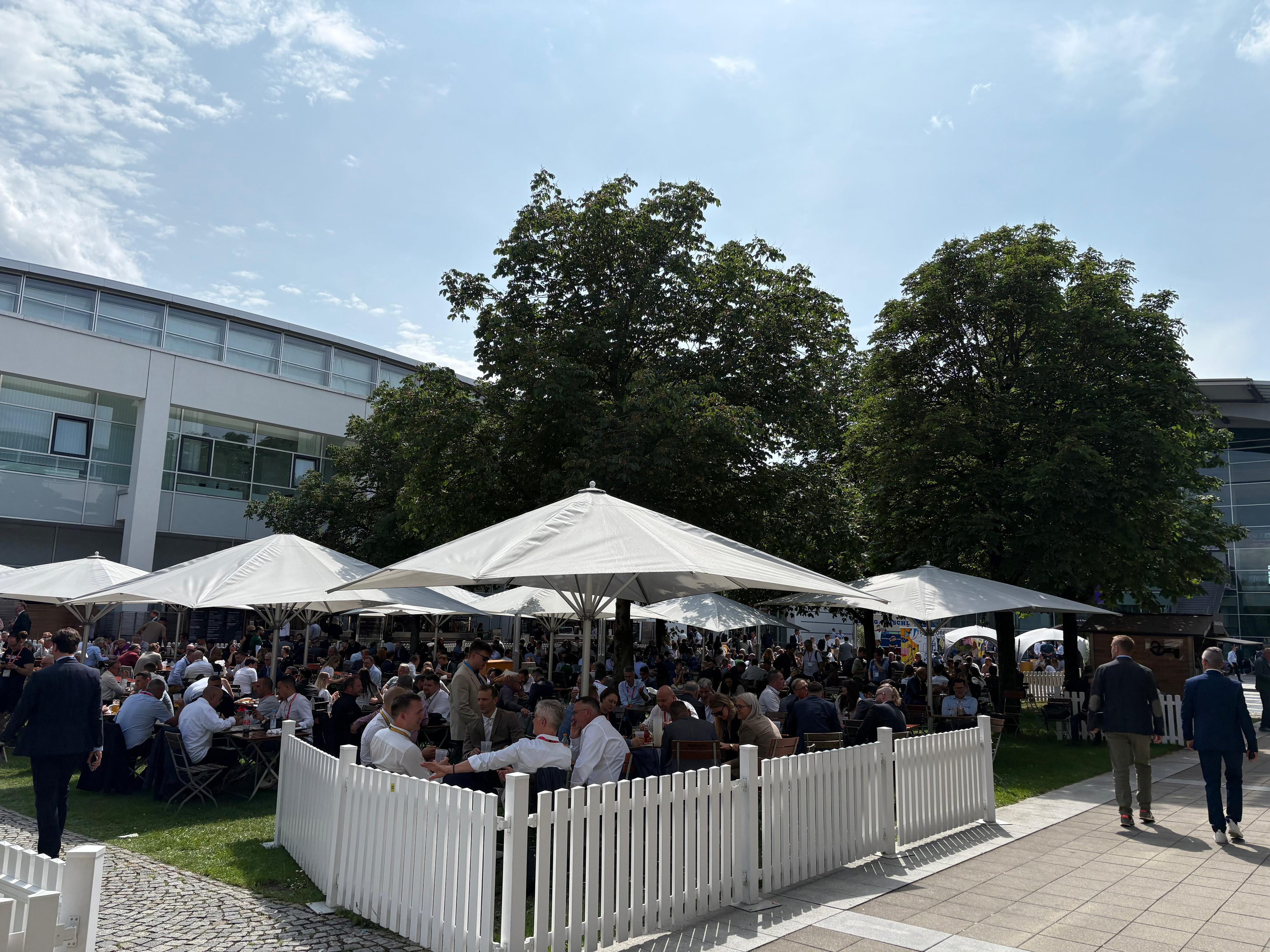
Transport Logistic 2025 – Trade Fair Madness or a Must-Attend? A Personal Retrospective from Munich
Between buzzwords and beer benches: Why the trade fair still delivers – and what it's missing.

Technological Openness and Its Limits
On the challenges of the mobility transition between market logic, planning certainty, and political responsibility.
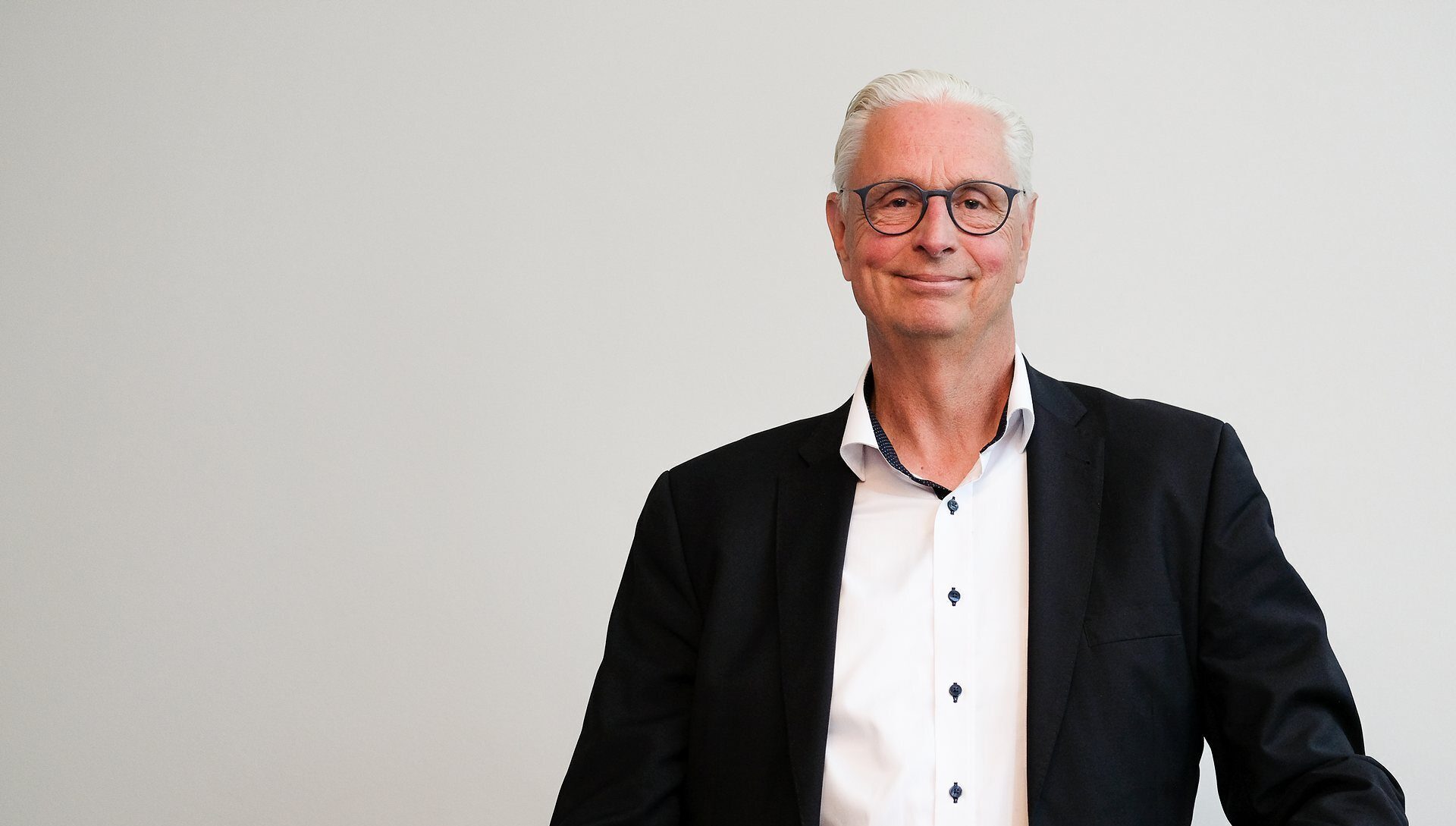
Leadership Under Pressure: A Conversation About Doubt, Change, and Attitude – with Career Coach Christian Runkel
The uncertainties behind the claim to leadership – and how to deal with them.