


The First Months as Site Manager - Interview with Krzysztof Karelus
On trust and the balance between numbers and people in logistics.
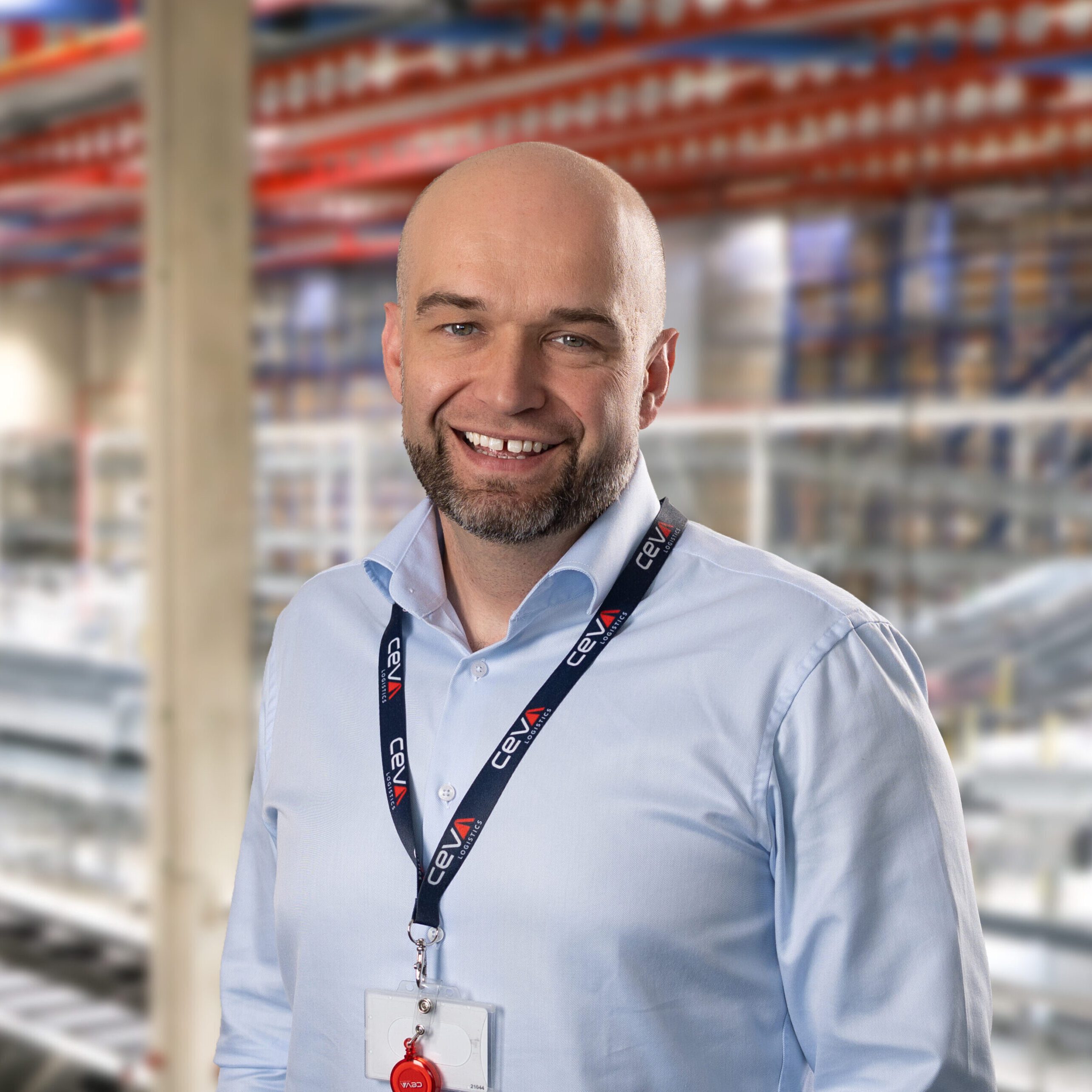
Krzysztof Karelus, Area Manager ECOM DE | PL CEE Cluster at CEVA Logistics, shares in an interview with even logistics his proven strategies and insights on how he approaches the first six months after taking over a site. The focus is on trust, communication, and the balance between numbers and people.
The first 100 days or even the first six months as a new manager are critical because they set the tone for future leadership and the success of the entire team. This phase is an opportunity to build trust with employees and superiors, thoroughly analyze processes and challenges, and initiate sustainable measures. In logistics, a field that depends on precise workflows, efficiency, and teamwork, this time is especially important: Here, managers must not only stabilize operational performance but also get the teams on board to meet high demands. A successful start is crucial to gain credibility, strengthen motivation, and initiate necessary changes without resistance—elements that are indispensable in the world of logistics.
Lisa: Krzysztof, as Area Manager at CEVA Logistics, you've already taken over several sites. What are the critical factors for building trust in a new role?
Krzysztof Karelus: Trust is the key, and the first six months are decisive. Within this timeframe, employees form their opinion about a new leader. If no positive changes become visible during these six months, trust begins to decrease exponentially. Therefore, measures must be taken early that not only show impact but also build trust sustainably.
Lisa: How do you approach building this trust specifically?
Krzysztof Karelus: An important step is listening. In the beginning, I conducted so-called "Listening Sessions" together with my team. These are short conversation rounds with employees who can voluntarily sign up. In small groups of about five people, we as management simply listen—without evaluating or commenting. The goal is to understand concerns, problems, and wishes.
These sessions are not only essential for gathering information but also for building relationships. We deliberately break down traditional hierarchies. Every employee—regardless of position—gets the opportunity to share their perspective. This creates an open communication culture, even if it initially meets with skepticism from some managers. But with transparent communication, we were usually able to dispel these concerns.
Lisa: How do you recognize when the time has come to transition from the analysis phase to the implementation phase?
Krzysztof Karelus: The transition is a critical point. As soon as themes start repeating and no new information is added, the moment has come to translate the gathered insights into concrete measures. It's not about making hasty decisions, but about identifying the right time to build momentum and make changes visible.
Lisa: A sensitive topic in changes is the repositioning of employees. How do you handle this?
Krzysztof Karelus: The goal is not to fire someone, but to deploy talents optimally. It's a simple but often shortsighted path to dismiss underperforming employees. I prefer to identify their strengths and deploy them in areas where they shine better. It's like a puzzle: for every piece there's a fitting place. Of course, there are situations where employees simply don't fit the company because they share different values. It's ultimately about values and chemistry—about understanding the company goals and moving forward together. If this remains difficult even after repositioning, a separation can unfortunately be unavoidable.
Lisa: Besides working with people—how important are the numbers in the initial phase?
Krzysztof Karelus: Both—numbers and people—are equally important. Many new managers, however, focus exclusively on the numbers or on strategy without considering how the goals should actually be achieved. This is where emotional intelligence is required. It's about involving the teams from the start and developing a path together. The "how" is decisive—how do we practically implement the strategy, and how do we get the teams on board?
Lisa: What role does communication play in this process?
Krzysztof Karelus: Communication is the foundation. Clear, transparent, and authentic communication helps create understanding and trust. A small trick I like to use is visualization. By drawing on a whiteboard or sketching ideas, language barriers can be reduced and complex content can be better conveyed. If I explain something poorly, I also get a poor result in the end. Visualization helps avoid that.
Lisa: Do you arrive with a ready-made strategy when taking over a site, or how do you approach strategy planning?
Krzysztof Karelus: Every initial strategy is a draft. The more insights I gain through conversations and observations, the more I adjust this draft. It's about remaining flexible and testing the original assumptions against reality. The leadership approach also plays an important role here. A leader who starts with fixed plans and doesn't want to adapt misses the chance to learn from the teams and involve their expertise.
Lisa: Are there specific teams that you integrate into strategy development right from the start and whose information you gather?
Krzysztof Karelus: The initial period feels very short and should be used intensively to gather as much information as possible. Conversations with customers and the most important departments, such as Operations and HR, are essential. Equally valuable are informal encounters, such as over coffee in the kitchen. Often you learn the small but crucial nuances there that don't come up in official meetings.
Lisa: What do you take away from your experiences so far?
Krzysztof Karelus: At the end of the day, the success of a site always depends on the employees. Their commitment, their knowledge, and their performance determine the product we offer as a warehouse logistics company. That's why it's essential to put the human factor at the center. Successfully implementing changes means considering numbers and people equally—and above all, winning the trust of the teams.
Looking for a suitable Solution for your logistics? Here you'll find the comparison platform that makes your search easier.

Did you find this article helpful?
Sustainability and Logistics – A (Beginner's) Practical Guide to Circular Economy for Logistics
The future of logistics is no longer a straight path — it's a circle. This practical guide helps you take your first steps into the loop.
Developing Skilled Workers – Secure Up to 100% Funding
How DACHSER and WBS TRAINING benefit from the German Qualification Opportunities Act.

Black Friday and Its Impact on the Logistics Industry
Shopping ecstasy for some, logistical challenge for others.

"I'm building Germany's largest logistics empire"
How a young founder is rethinking logistics - with Leon Michel, CEO of fly fulfillment GmbH.