


AI in Workforce Planning: Boosting Efficiency, Relieving Teams
How AI is revolutionizing shift planning: less stress, more flexibility, and satisfied employees through smart workforce planning.

In a nutshell: AI is revolutionizing shift planning by combining flexibility and efficiency. Smart algorithms reduce costs, combat labor shortages, and boost employee satisfaction. A modern Solution for the workforce planning of the future!
The logistics industry faces major challenges: a shortage of skilled workers coupled with high employee expectations, fluctuating order volumes, and complex shift planning all make efficient workforce management increasingly difficult. This is where Artificial Intelligence (AI) comes in: it enables automated, demand-driven workforce planning that not only reduces costs but also takes into account the wishes and requirements of employees. So how can such a system be successfully implemented?
How does AI-based workforce planning work?
AI-based workforce planning uses algorithms and machine learning to create optimal schedules for employees. Numerous factors are taken into account, such as:
- Order volume & demand forecasts (e.g. seasonal fluctuations)
- Employee availability & qualifications
- Labor law requirements & collective agreements
- Employee preferences (e.g. preferred shifts, time-off requests)
- Efficiency gains through optimal team composition
Benefits for companies & employees
AI-supported workforce planning offers better predictability and flexibility: employees can indicate their availability, and the AI optimizes shift distribution so that both operational requirements and individual preferences are taken into account. This leads to cost savings, as overtime is reduced and understaffing is avoided.
Another important aspect is higher employee satisfaction. Preferred shifts can be assigned fairly and objectively. In addition, the AI can automatically make adjustments in response to short-notice changes and suggest alternatives when someone is absent or incoming orders surge sharply.
Ultimately, smart planning also contributes to a better work-life balance by preventing overload. Teams benefit from greater planning reliability and less stress.
Limitations of AI-based workforce planning
Although the advantages outweigh the disadvantages, it should be noted that AI-supported workforce planning does have some drawbacks, including dependence on data quality, a lack of human intuition, and high implementation costs.
AI systems are trained to identify patterns and generate forecasts. In the event of unforeseen occurrences or exceptional situations, the AI may struggle to respond or adapt quickly enough.
Furthermore, it can raise data privacy concerns and meet with resistance from employees. How employees can be involved in the process and encouraged to accept the changes is described in more detail below.
Flexible working hours thanks to AI: More opportunities for part-time work
In traditional systems, shifts are often planned for full-time employees, and it can be a challenge to effectively integrate part-time employees into the existing system. A major advantage of AI-supported workforce planning is the ability to introduce greater flexibility into shift models. This is particularly relevant for people who can only work at certain times, for example due to childcare responsibilities, caregiving obligations, or a desire to work part-time.
- Individual shift preferences can be stored, allowing employees to commit to specific time slots or days.
- AI takes restrictions into account, such as no night shifts or a preference for early shifts, without affecting the overall planning.
- The attractiveness of the logistics industry increases, as it can better adapt to different life situations and thus attract new workers.
This flexibility can help reduce the labor shortage by appealing to people who would not be able to work under traditional, rigid shift models. This makes the logistics industry more inclusive and opens up access to a broader labor pool.
Successful implementation: How do employees interact with AI?
1. Mobile apps for maximum flexibility
Ideal for drivers, warehouse workers & field staff Employees can use their smartphone to:
- View & confirm shifts
- Request shift swaps (automatically or subject to approval)
- Accept short-notice shift offers directly
- Record their availability
- Manage vacation requests
- Receive notifications about short-notice changes
2. Terminals in warehouses or at locations
Perfect for employees without their own smartphone or office PC Interaction options:
- Locations: Warehouses, break rooms, canteens, reception areas
- Management of the functions listed above, but only at the workplace and not on the go
- Less flexibility and fewer communication options with employees
3. Desktop Solutions for office staff & planners
HR departments & team leaders can:
- Workforce schedul

Did you find this article helpful?
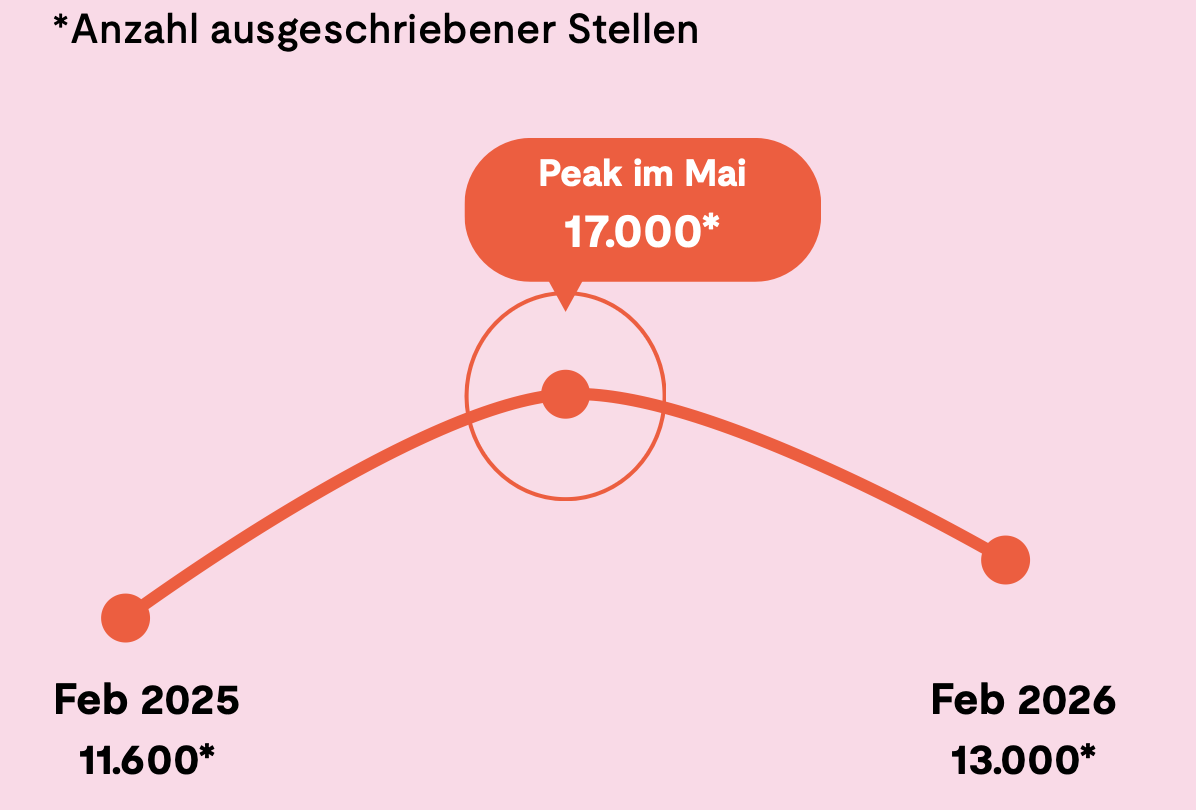
Labour Market 2025/2026 Comparison
Warehouse workers in focus - a data-driven analysis.

AI in the warehouse: More precise workforce planning
On planability during peaks and the question of why trust often grows more slowly than technology, with Tobias Heyer, Interim CRO at foresAIght.ai.

Leadership in Modern Logistics
Living and passing on growth – an interview with Lorena Garcia from AUTODOC.

How to Create a Fair Bonus System for Additional Responsibilities in Logistics
How companies can make responsibility visible and reward it fairly.