


What Must Supply Chain Software Be Able to Do?
An overview of the most important features and decision criteria.

In a nutshell: An efficient supply chain is like the backbone of a functioning organization. But not every software fits every organization. This article explores the core features of supply chain software, potential challenges, and offers tips on what to look out for.
Planning: The Foundation of a Supply Chain
One of the central tasks of supply chain software is planning processes along the value chain. The benefits of structured planning are obvious, but there are also pitfalls to be aware of.
Planning enables companies to create demand forecasts and allocate resources efficiently. It ensures that production and logistics capacities are used optimally, preventing bottlenecks. Integrating suppliers into the planning process also helps reduce costs and improve collaboration.
However:
The quality of planning depends heavily on the availability and accuracy of data. Missing or incorrect information can lead to inaccurate forecasts and inefficient processes. In addition, effective planning requires close collaboration between departments, which in practice is often a challenge.
Analysis and Optimization: Perfecting the Flow in the Supply Chain
Data analysis is one of the key competencies of modern supply chains. But not every optimization automatically delivers the desired results.
Analytics tools enable companies to identify weaknesses in the value chain and take targeted action. For example, transportation routes can be optimized, inventory levels reduced, and lead times shortened. Such optimizations can directly contribute to cost reduction and increased efficiency.
However:
As with planning, analysis is only as good as the data it is based on. Complex tools can also be difficult to use, especially for employees without specialized training. Companies should ensure that optimizations are practically implementable and aligned with the organization's needs, rather than getting lost in overly detailed analyses.
Furthermore, it is not only important to understand the available data, but also to draw the right conclusions from it. The goal of data collection should therefore be to derive meaningful, actionable consequences.
Management and Process Control: Oversight Across the Entire Chain
The automation of processes is intended to ensure smooth operations within the supply chain. But caution is also warranted here.
Automated systems provide real-time insights into orders, deliveries, and inventory levels. This improves transparency across the entire value chain. Automation also helps accelerate processes and reduce errors – for example, through the use of robotics in logistics or automated planning algorithms.
However:
Automation can lead to rigid structures that struggle to respond to unexpected events. There is also a risk that companies lose flexibility when human decision-making is neglected. Successful automation requires a balance between human and machine, as well as continuous adaptation to changing conditions. AI is frequently cited in this context, but whether artificial intelligence truly helps here remains to be seen and will likely become clearer in the coming years.
Conclusion: How Does Software Make Your Supply Chain Successful?
A well-functioning supply chain is critical for every organization. Yet there is no one-size-fits-all software Solution: companies must individually analyze which strategies and technologies offer the greatest added value. A clear set of objectives and close collaboration among all stakeholders are essential.
Recommendation:
Before investing in new software, companies should critically examine their own processes. Only then can they ensure that the supply chain does not become a costly experiment, but instead delivers sustainable value.
It is also helpful to understand that not only does the supply chain consist of interconnected links, but these connections should also be reflected on the software side. This allows the various stakeholders in the supply chain to guarantee smooth operations through the software as well. Learn more about future-proof supply chains and how they affect employee satisfaction from supply chain expert André Kaeber in this podcast episode.
Looking for the right Solution for your logistics operations? Click here to visit the comparison platform that makes your search easier.

Did you find this article helpful?
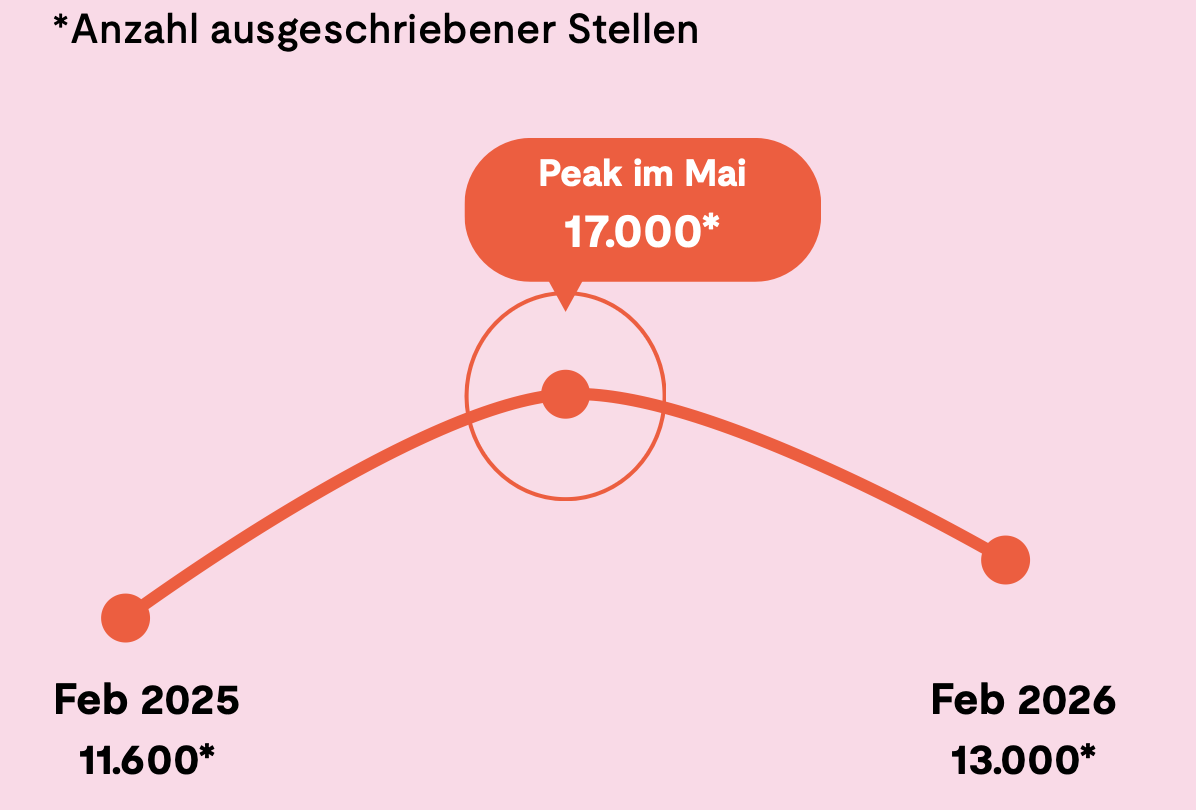
Labour Market 2025/2026 Comparison
Warehouse workers in focus - a data-driven analysis.

Leadership in Modern Logistics
Living and passing on growth – an interview with Lorena Garcia from AUTODOC.

Robotic Piece Picking: Components, Technologies, and the Difference Between Cobots and Industrial Robots
Robotic Piece Picking closes the final gap in logistics automation and reveals which technologies make the difference.

Robotics Piece Picking: Vom Hype zur Realität – und wie die nächste Evolutionsstufe aussehen könnte
Robotics-Experte Leif Jentoft darüber, warum Piece-Picking-Roboter zuverlässig greifen, aber noch nicht massenhaft eingesetzt werden.