


From Good Data to Better Decisions – with Anna Hannemann
On the power of data in logistics and why demand forecasting is the key to scaling.

In a nutshell: Data remains valuable longer than the systems in which it is stored – a wise insight that perfectly describes the essence of today's data-driven world. But data alone is only as valuable as its application. In this episode of 'even it up', we speak with Anna Hannemann, Project Director Automated Fulfillment at Picnic, about the central role of data in logistics and how data-driven decisions can sustainably optimise processes.
How Data Is Used for Smarter Logistics
Efficient processes and data-driven decisions are essential to staying competitive in modern logistics. Particularly in densely populated cities, the "Goods to Person" principle is gaining traction: instead of pickers walking through the warehouse to collect goods, the goods are automatically brought to them. A concept that is not only more efficient, but also more sustainable.
Why Demand Forecasting Is the Be-All and End-All
One of the greatest challenges in logistics is demand forecasting. Which products are needed, when, and in what quantities? Anna explains that demand forecasting is the cornerstone of every further optimisation. Without an accurate forecast, neither workforce planning nor warehouse capacity can be managed efficiently.
What is particularly interesting is that digital customer data allows for precise analysis of how purchasing behaviour and seasonal fluctuations develop. School holidays, public holidays, marketing campaigns – all of these influence demand and are factored into the forecasts.
From Data to Decisions – Challenges and Opportunities
But data alone is not enough. It must not only be analysed, but also translated into actionable recommendations. There is often a risk of getting lost in dashboards and KPIs without deriving concrete consequences from them.
Anna emphasises that a data-driven company culture is crucial. All teams – from logistics to HR to marketing – actively use data to inform their decisions. At the same time, close attention is paid to data quality – because faulty or inaccurate data can cause more harm than good.
Automated Warehouses and the Future of Logistics
The construction of automated warehouses presents a new challenge: how do you plan capacities for the future? Investments in such logistics centres are long-term and require precise forecasts. Aggregated data helps here to predict trends and remain flexible. Particularly high-demand products are positioned strategically, and new technologies such as robotic picking drive further efficiency gains.
Data as the Heart of Modern Logistics
The key takeaway from the conversation with Anna Hannemann is clear: data is the backbone of every successful logistics strategy. From demand forecasting to warehouse planning to workforce management – those who use data intelligently can not only work more efficiently, but also operate more sustainably.
Companies that actively evaluate and leverage their data can optimise their supply chain processes and secure competitive advantages. A true game changer in the logistics industry!
👉 Curious? Then listen to the full episode!
YouTube: https://youtu.be/uQ9MPvk5sZU
Spotify: https://spoti.fi/4bsmWRP
Looking for the right Solution for your logistics? Click here to visit the comparison platform that makes your search easier.

Did you find this article helpful?
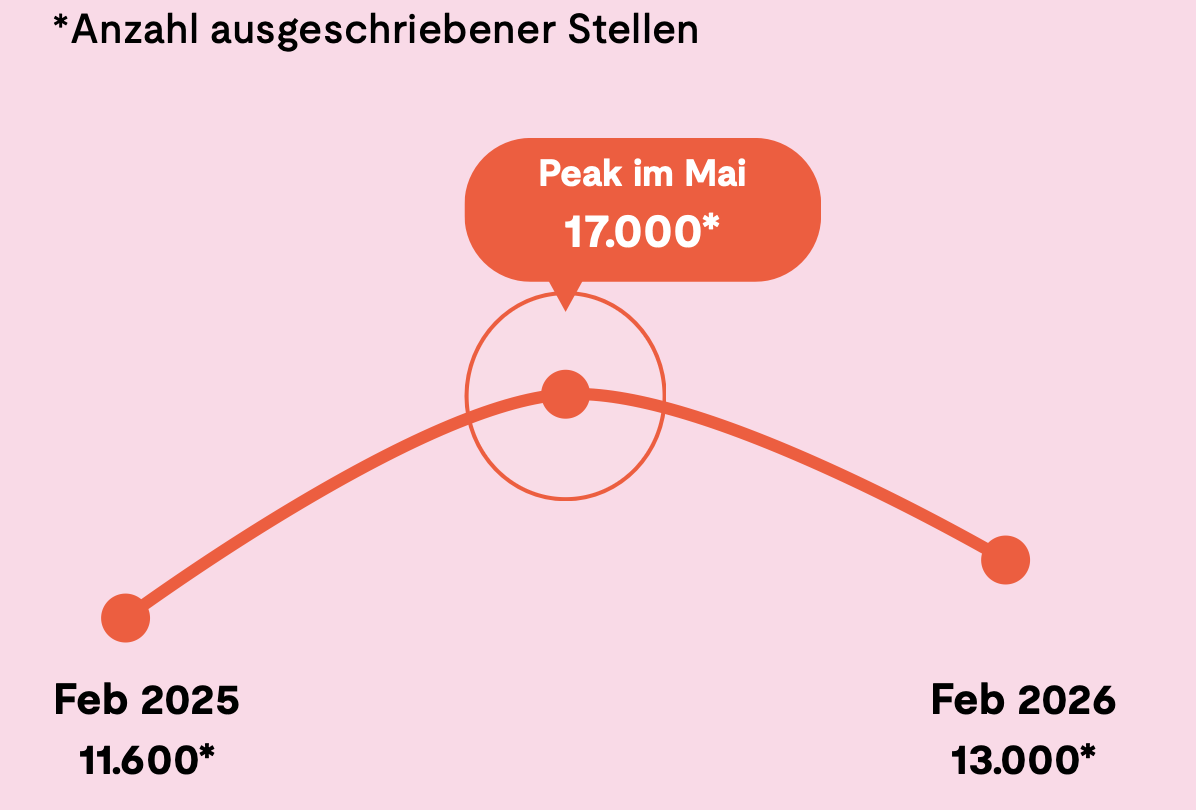
Labour Market 2025/2026 Comparison
Warehouse workers in focus - a data-driven analysis.

Leadership in Modern Logistics
Living and passing on growth – an interview with Lorena Garcia from AUTODOC.

Black Friday and Its Impact on the Logistics Industry
Shopping ecstasy for some, logistical challenge for others.

Planning Shuttle Warehouse Systems the Right Way – Answers from the even Webinar with RocketSolution
Shuttle warehouses are often planned based on gut feeling – yet it is concrete metrics that determine success or miscalculation.